“An Edict of the Khan”: Two Narratives of the Mongols
A discussion of how to teach multiple interpretations of the Mongols

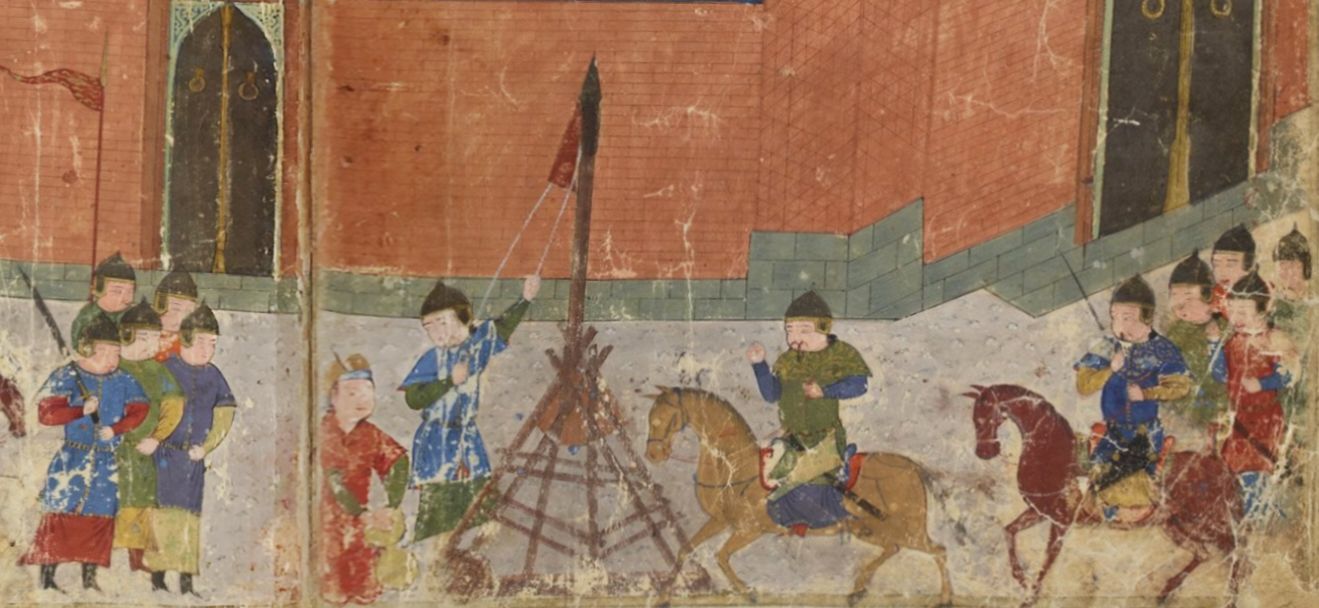
Table of Contents
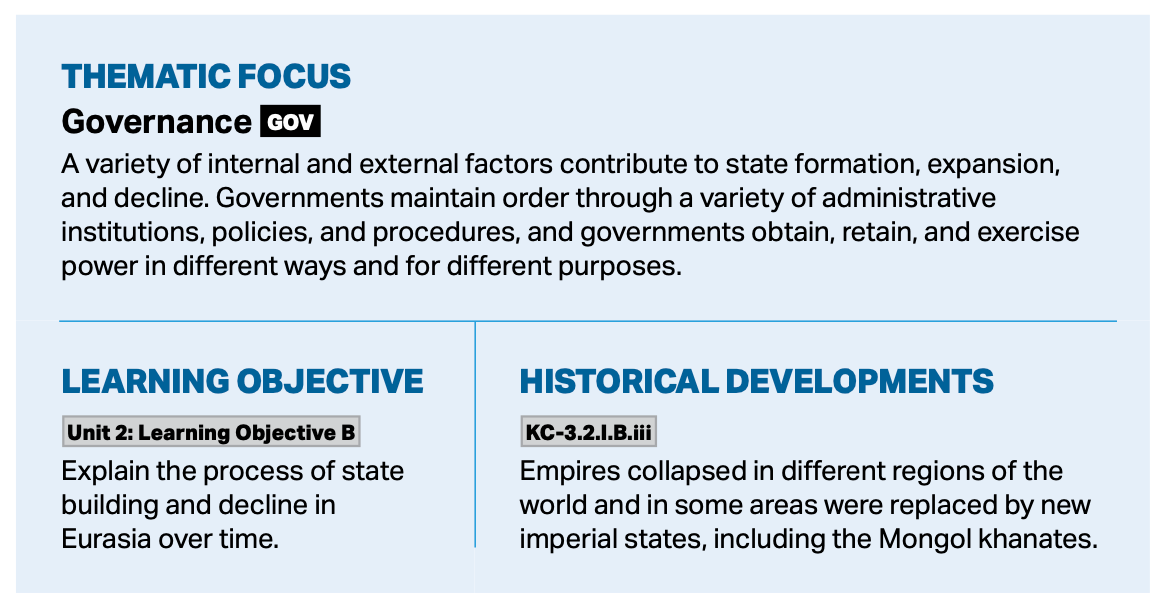
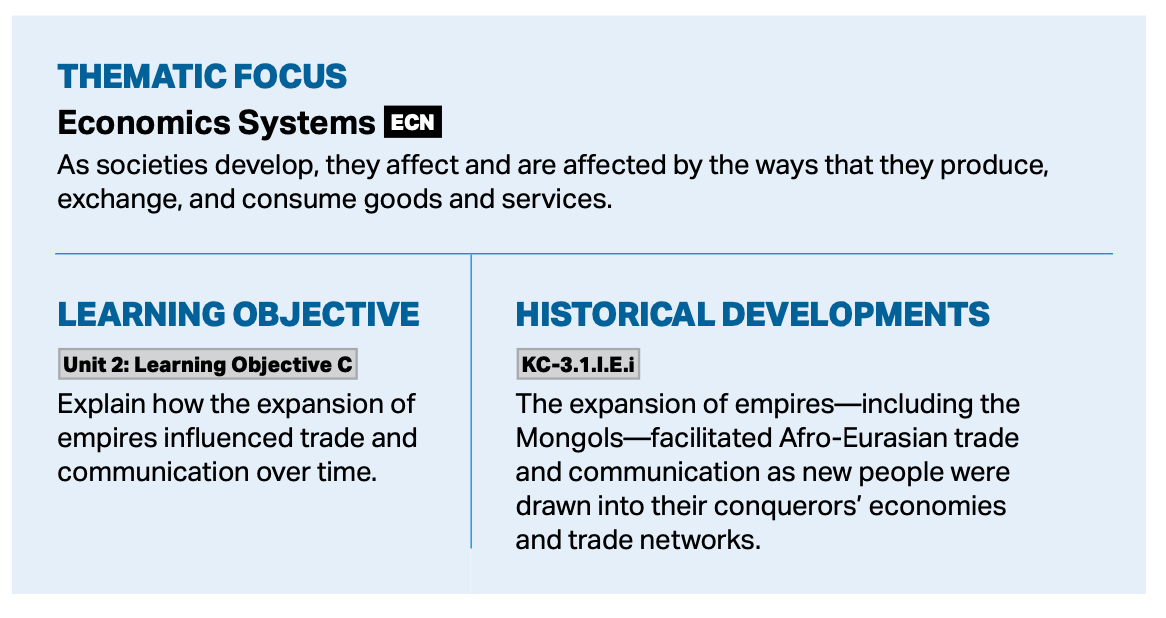
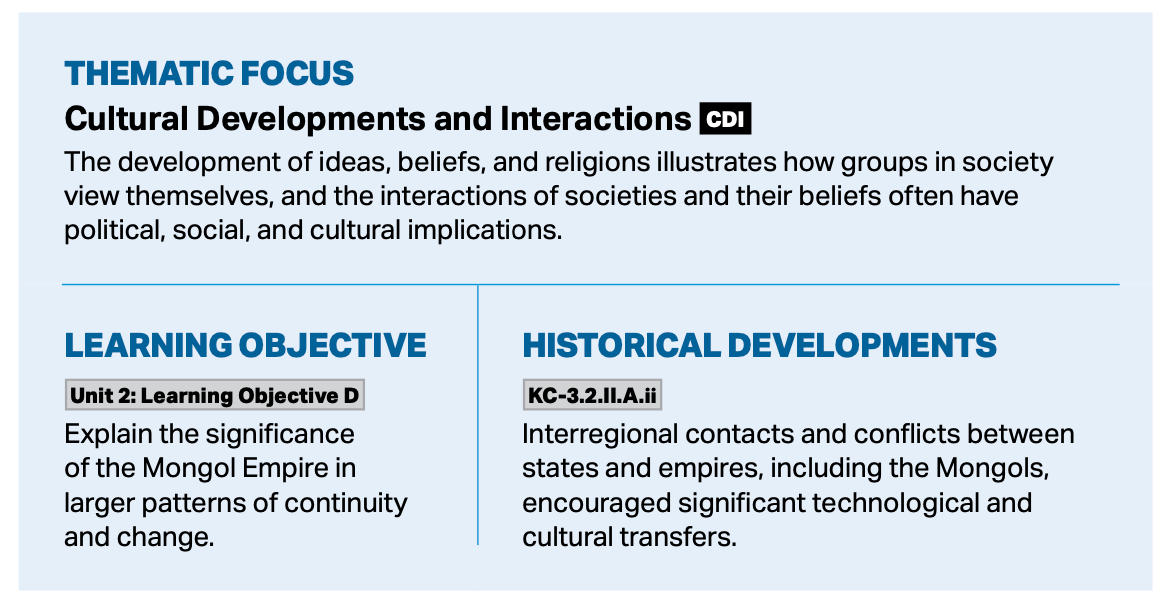
From pages 55 & 56 of the AP World History Course and Exam Description
Like most empires in history, the Mongol Empire can be interpreted differently. The Mongols were terrible if one’s society was the victim of a Mongol conquest. If one benefitted from trade routes protected by the Mongols, the Mongols were a force for good. We want to help students understand how our understanding of the Mongols has changed over time.
The Source
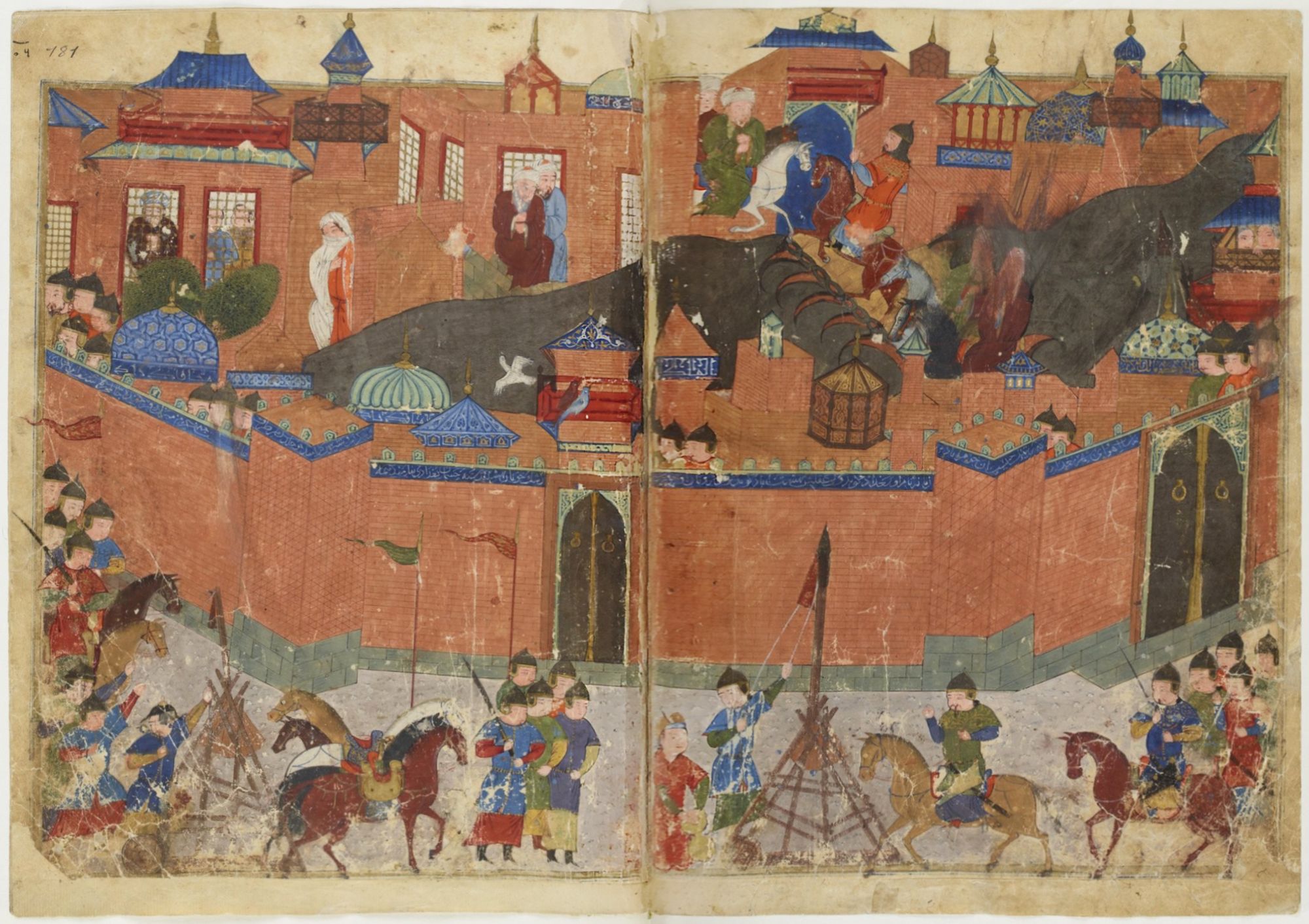
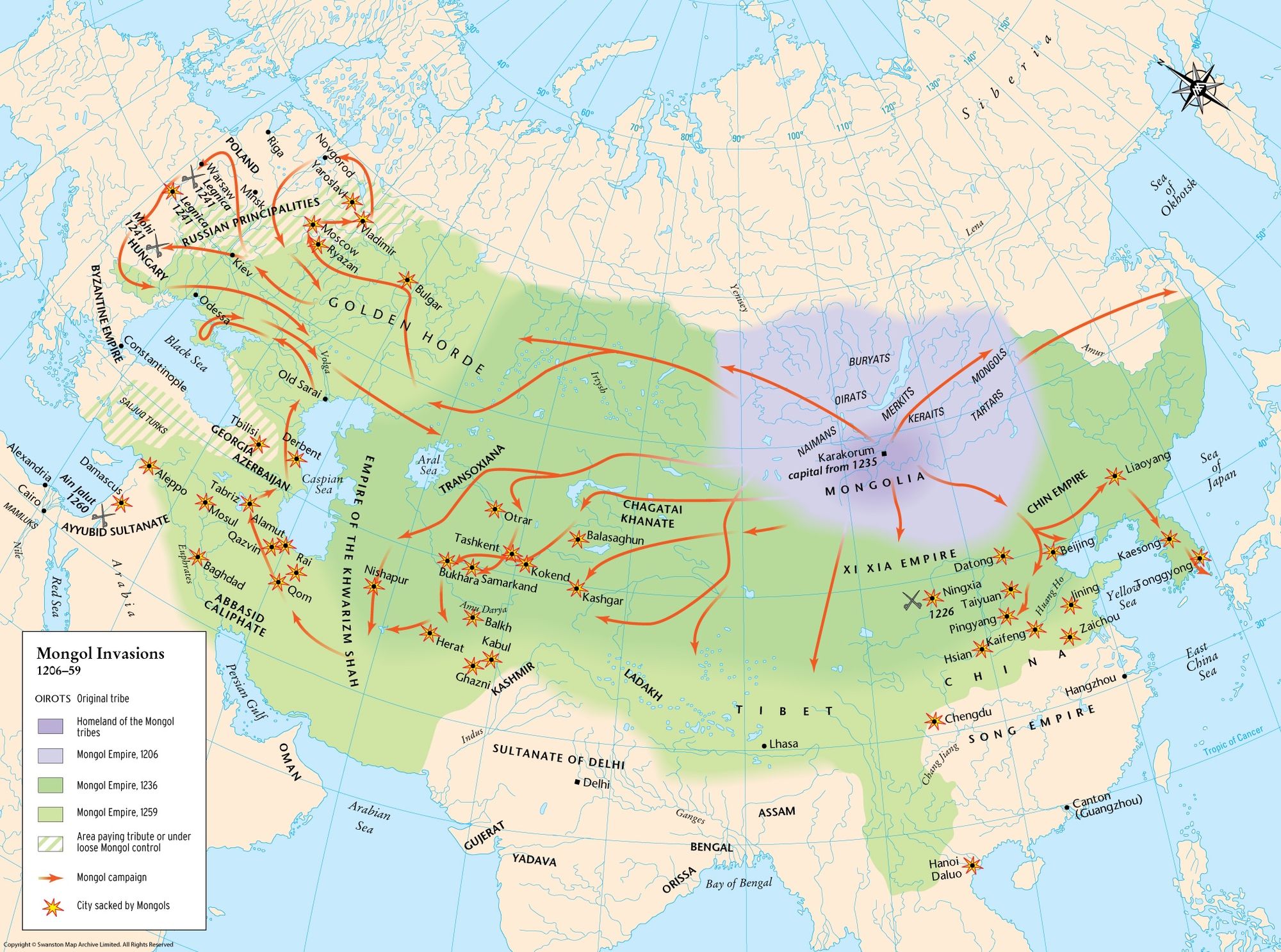
One well-known painting of the Mongols is Hulegu’s sack of Baghdad in 1258. This image often appears in textbooks and online to illustrate the violence of the Mongols. The illustration appears in Rashid al-Din’s Jāmiʿ al-Tawārīkh ("Compendium of Chronicles”). The painting was most likely produced at the court of Shah Rukh in Herat in the fifteenth century. Although we tend to view this image as evidence of the destructive aspect of the Mongol conquests, Rashid al-Din wrote his compendium for the Mongol Il-Khanate. He most likely highlighted the Abbasids’ failure and wanted to legitimize the Hulegu as a legitimate ruler. In either case, this image can help students think about the Mongols as conquerors. We can pair this image with the map of the Mongol conquests below.
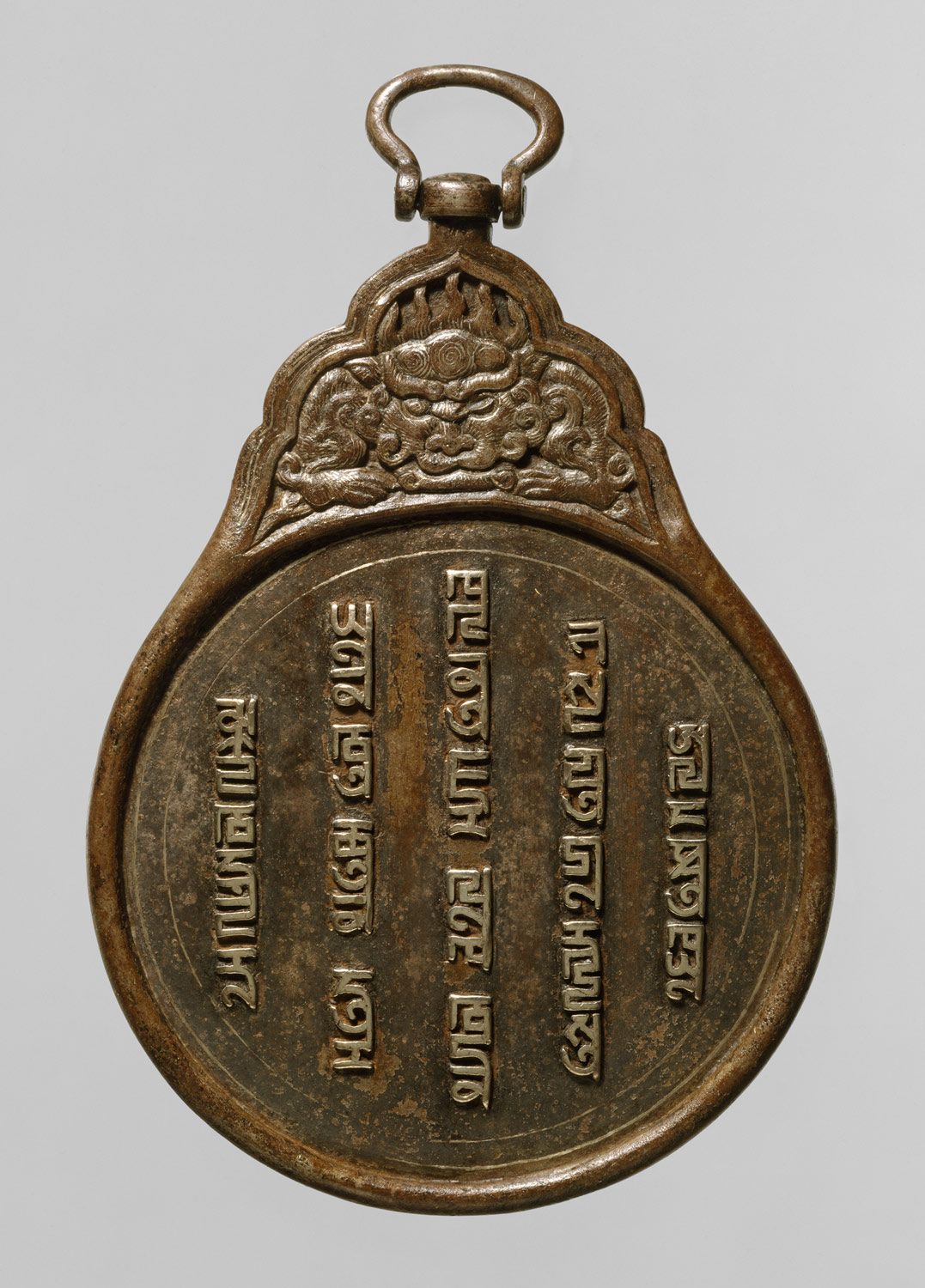
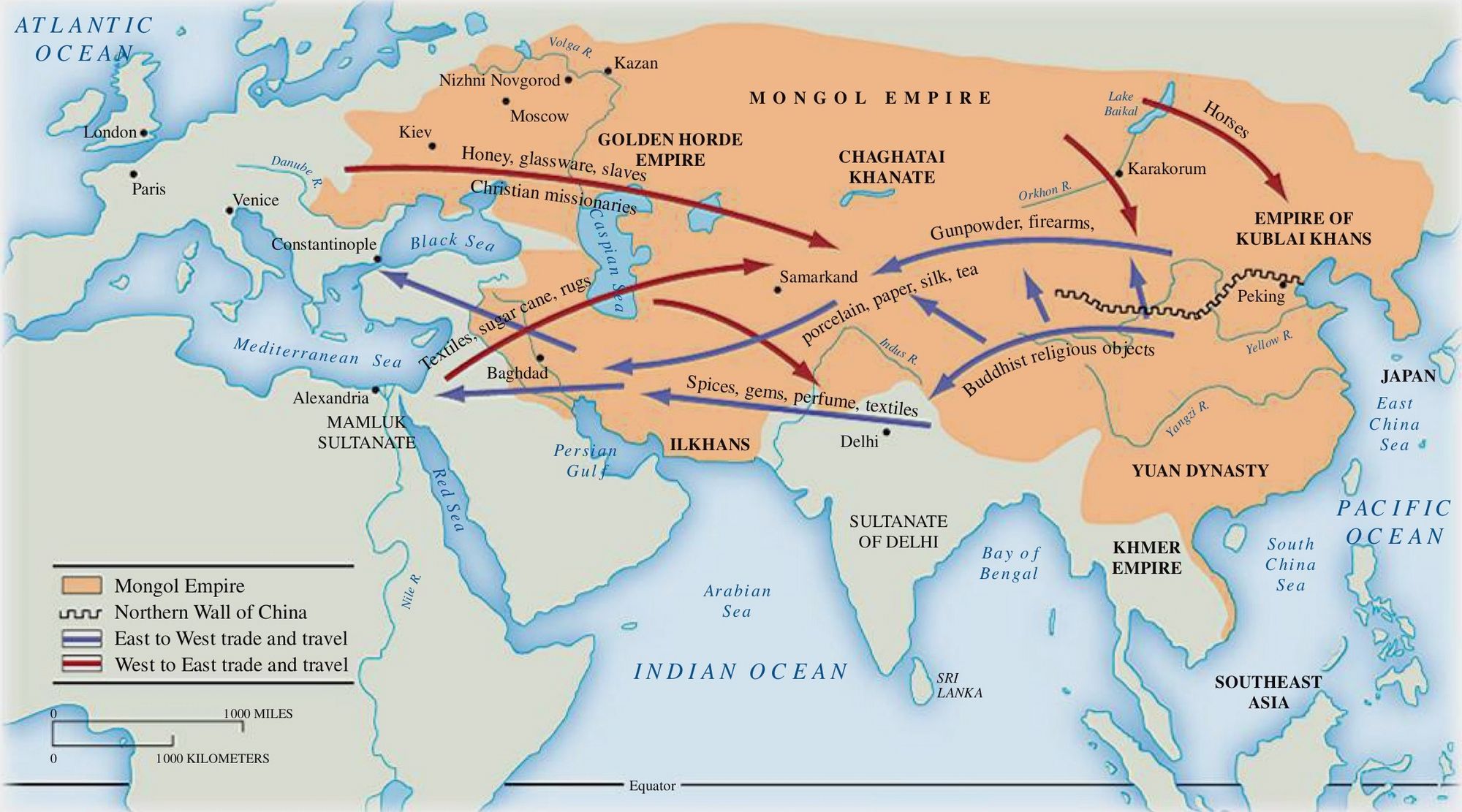
The medallion above is a paiza. Many textbooks refer to them as “passports” since they allowed the bearer of the paiza to move freely through Mongol territory. The inscription reads, “By the strength of Eternal Heaven, an edict of the Khan (Emperor). He who does not respect (the bearer of this pass) shall be guilty.” Phakpa, a Tibetan monk, developed the script on the paiza. The design resembles a traditional Tibetan mirror with an animal at the top. The paiza, its design, and its script highlight how the Mongol Empire helped integrate Afroeurasia. The Mongols facilitated trade and cultural exchange.
With these two sources, we can help students reflect on the different interpretations of the Mongol Empire.
The Mongol paiza can be found at the Metropolitan Museum of Art. The painting of the Mongol conquest of Baghdad can be found at the Bibliothèque Nationale de France. You can learn more about Rashid al-Din’s history in Stefan Kamola’s Making Mongol History: Rashid al-Din and the Jamiʿ al-Tawarikh.
Relevant Maps
Liberating Narratives is written by Bram Hubbell. Thank you for supporting this newsletter. Your financial contribution supports independent, advertising-free materials for teachers. Thank you, friends.
If you would like, please forward this message to a friend or colleague and let them know where they can subscribe. (Hint: it's here.)
If you have any comments or suggestions, please share them with me or post them below. I can also be reached on Twitter, Facebook, Instagram, Threads, Mastodon, and email.
Liberating Narratives Newsletter
Join the newsletter to receive the latest updates in your inbox.