
AP World Unit 3
“These People Have the Cream of the Trade”: Gujaratis’ Continued Influence after the Arrival of Europeans
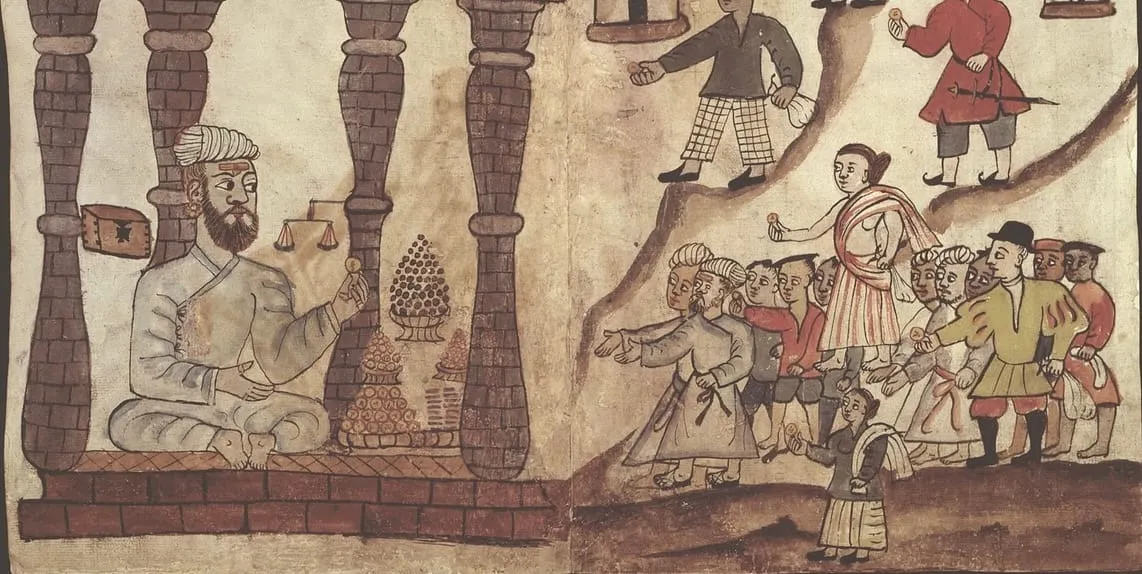
The Portuguese acknowledged the continued dominance of Gujarati traders
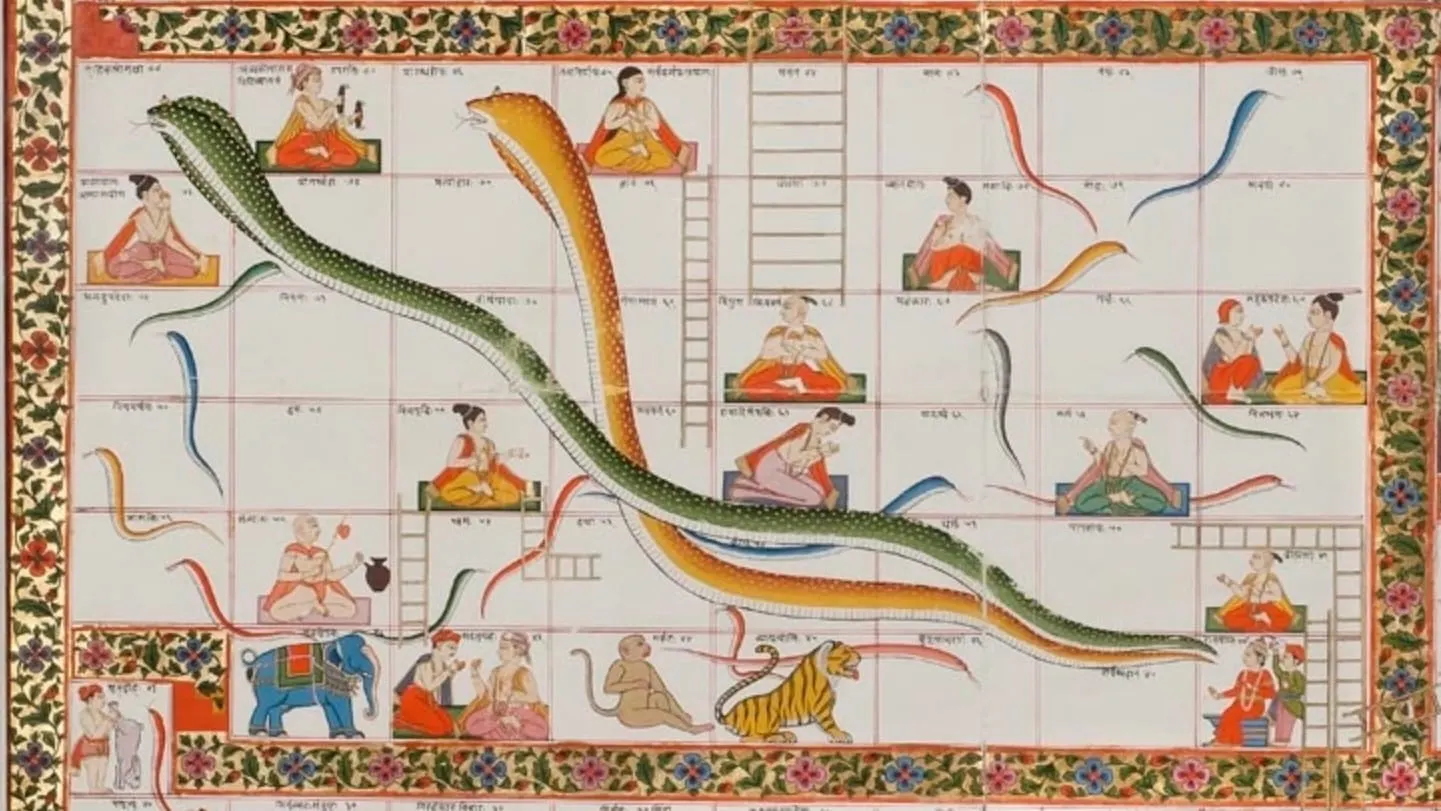
“A Very Pleasant Game”: Teaching the South Asian Cultural Mosaic with Snakes & Ladders
Teaching the diversity of South Asia through Snakes and Ladders
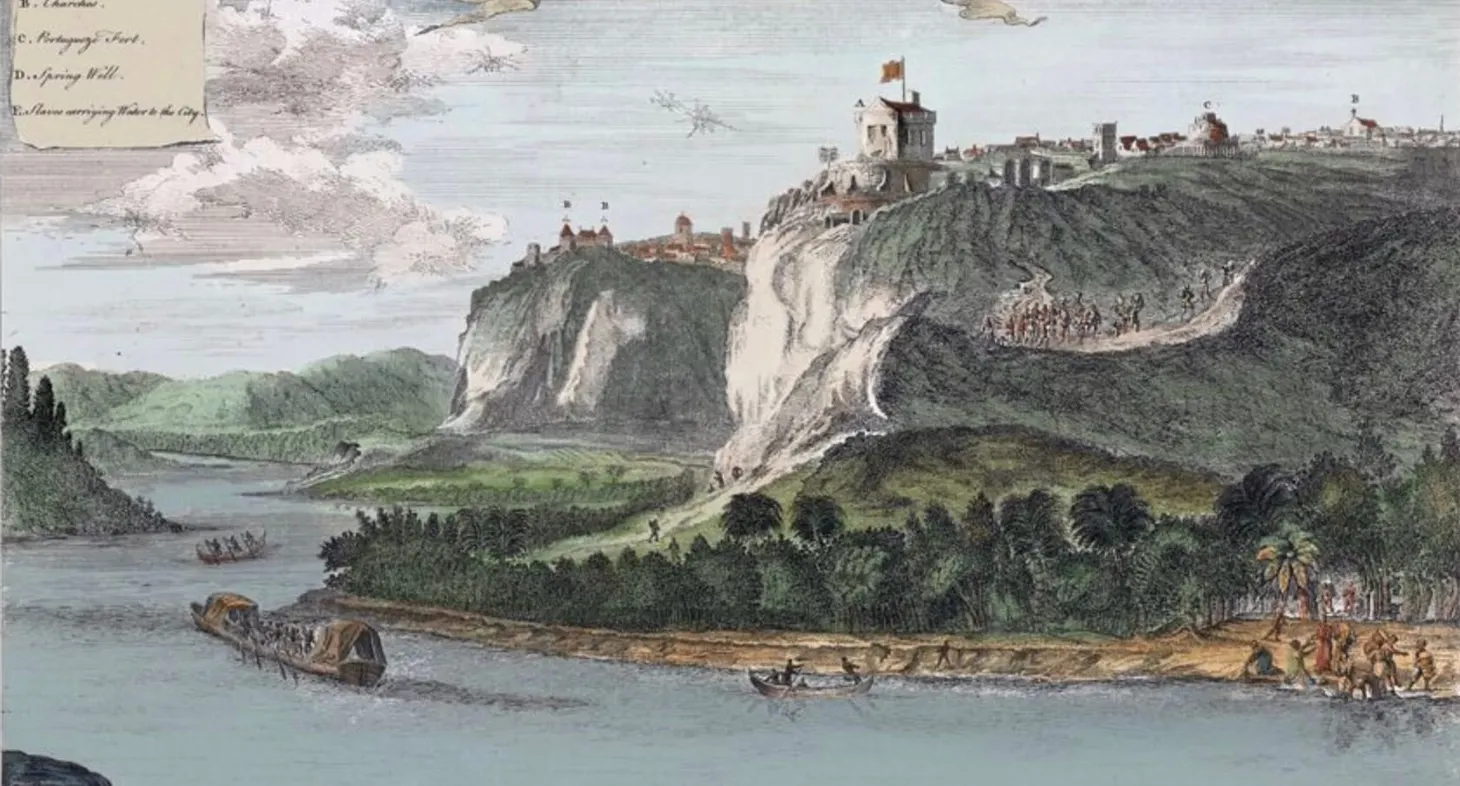
“We Decreed by Law”: Regulating the Slave Trade in Sixteenth-Century Kongo
Teaching how the rulers of Kongo regulated the slave trade
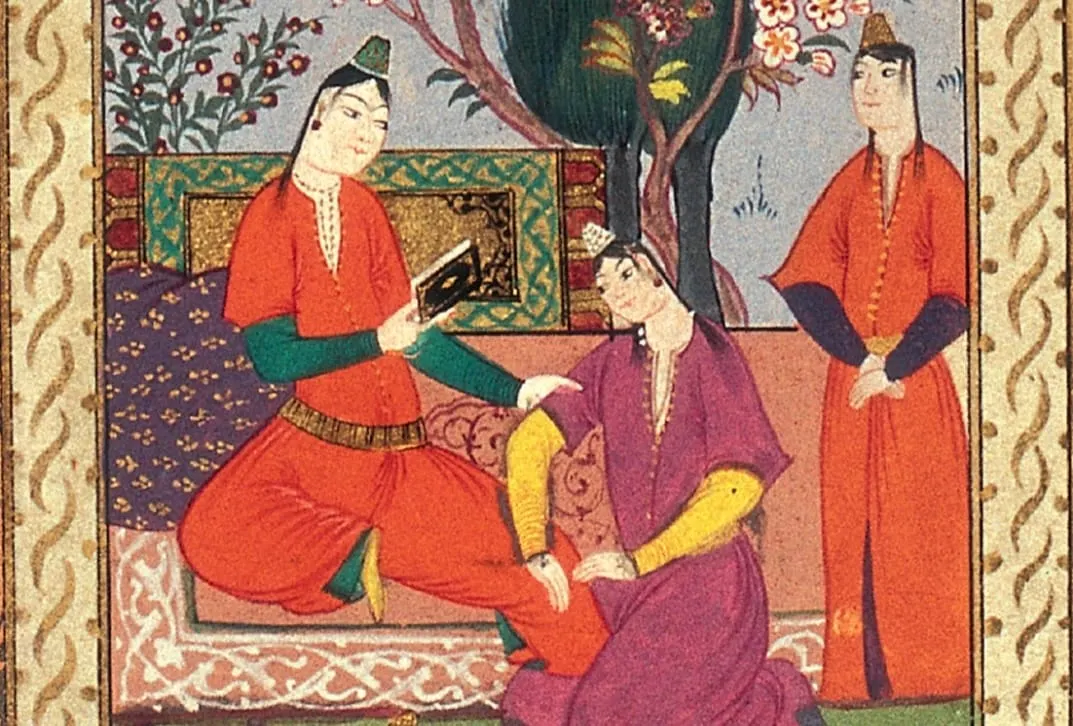
“Souls are neither Male nor Female”: Teaching Global Feminism in World History, c.1750 to Present
Discussion of teaching global feminism from 1750 to present
“A Single Black Woman”: African Women and the Portuguese Slave Trade in Sixteenth-Century West Africa
Teaching how African women influenced the slave trade in seventeenth-century West Africa
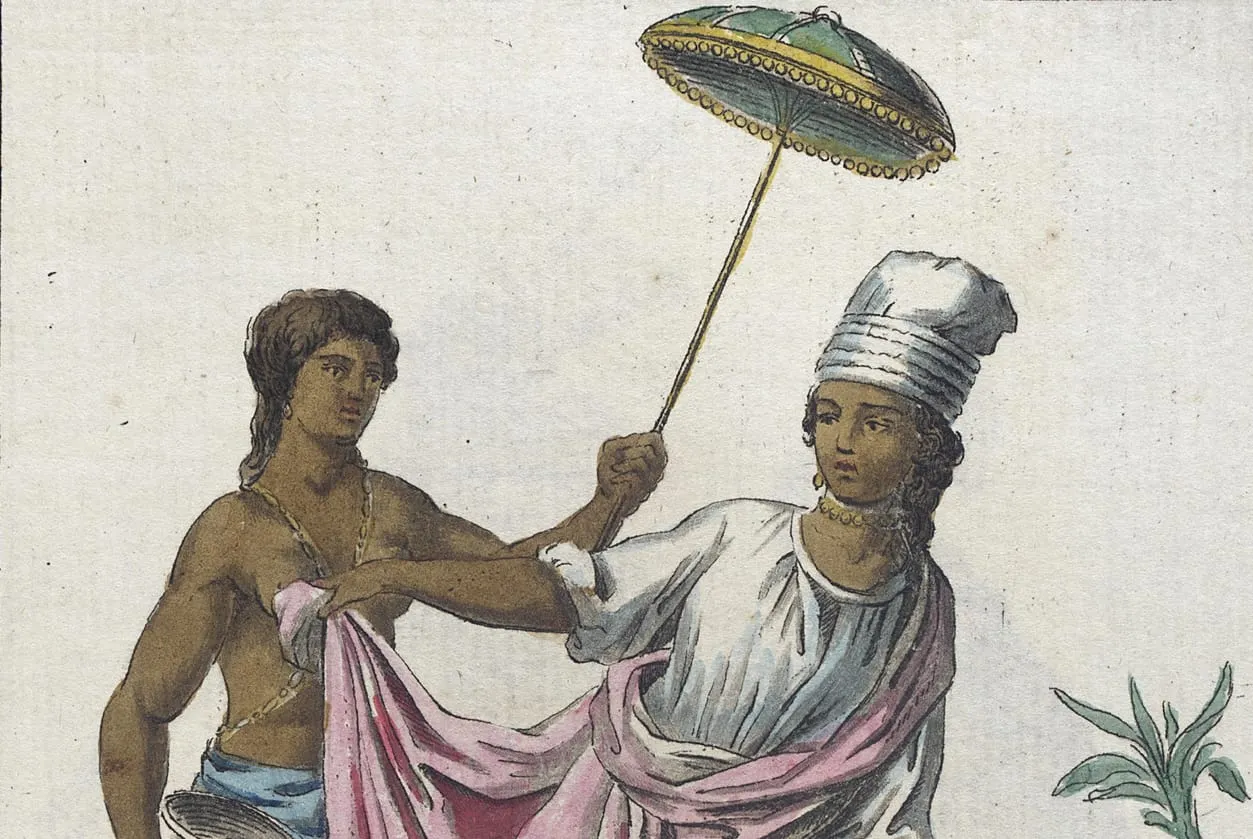
“The Horrors of the Cruel System of Slavery”: Revisiting the Transatlantic Slave System
Discussion of teaching Brazil and the transatlantic slave system

“At Variance with the Europeans”: East Africa, 1400 - c.1750
Discussion of teaching early modern East Africa

“A Mixed Population of Muslims and Zanj”: Teaching East Africa in World History, c.1000 to Present
Discussion of teaching East Africa Africa in World History

“One May Be a Qadi, a Mullah, or a Sheikh, a Yogi”: Teaching the Origins of Sikhism
Discussion of teaching the historical context of Sikhism
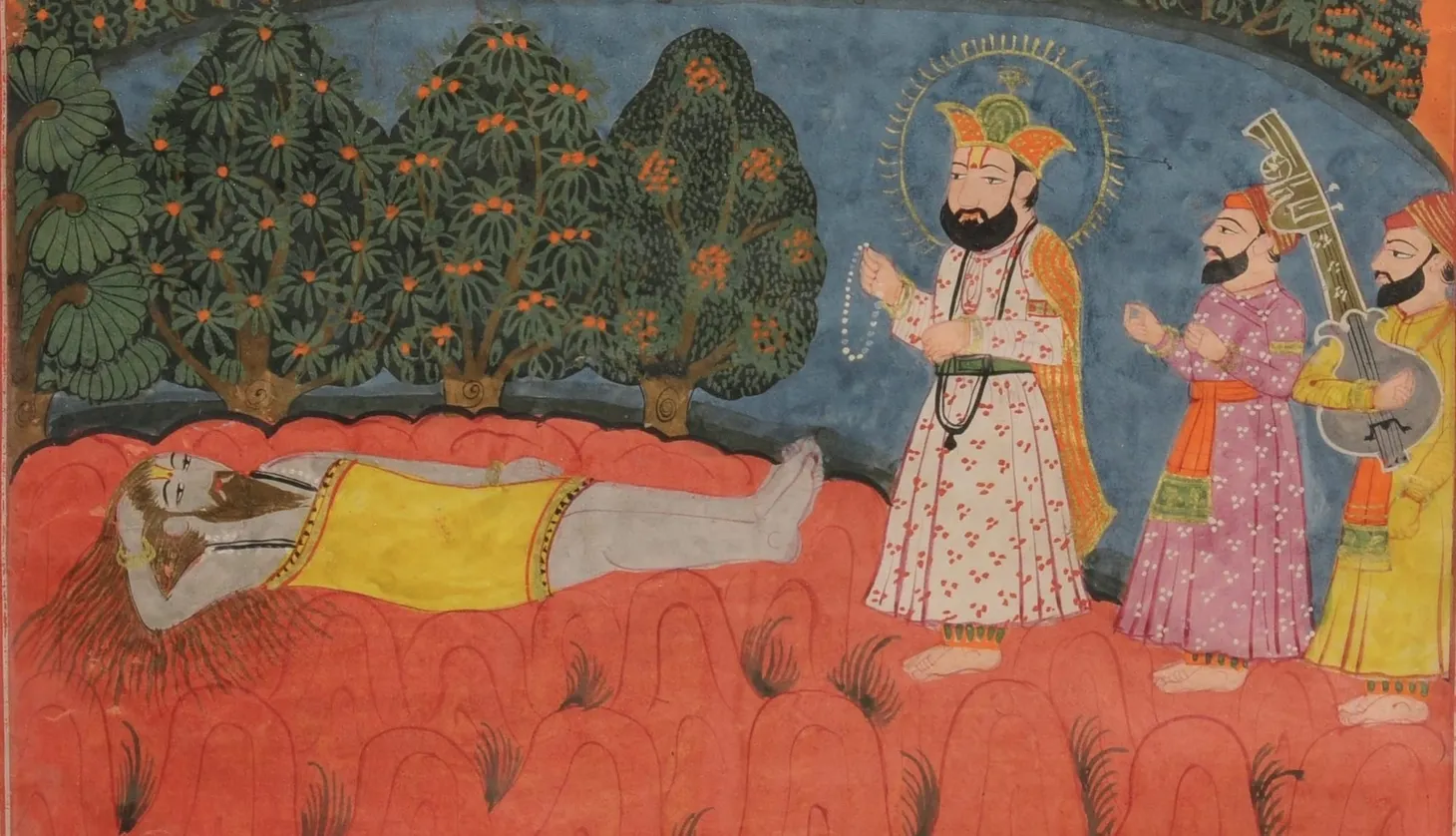
“Longing for their Homes”: The Middle Passage and the Development of Modern Migration, 1700 to 1830
Discussion of teaching the Middle Passage as the start of modern migration

