AP World Unit 7
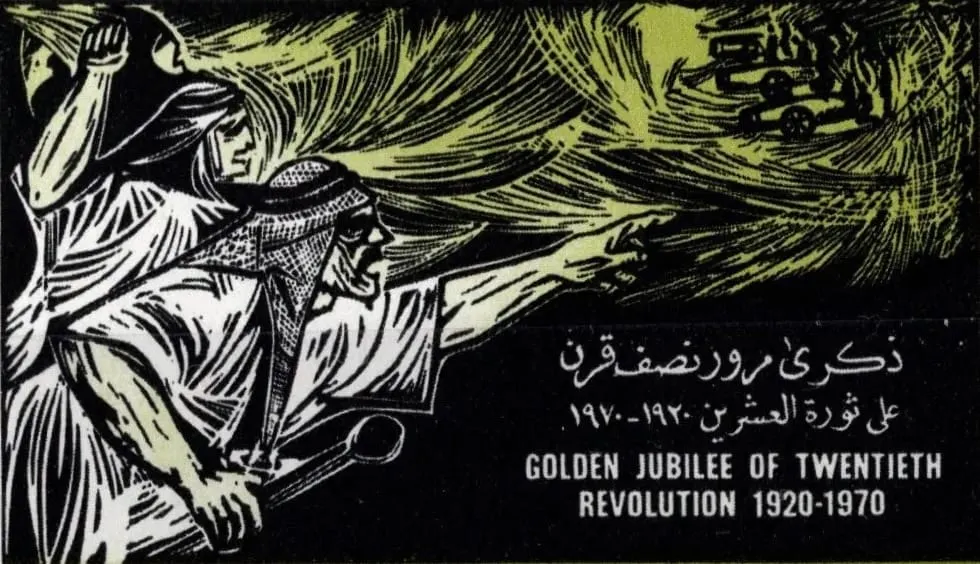
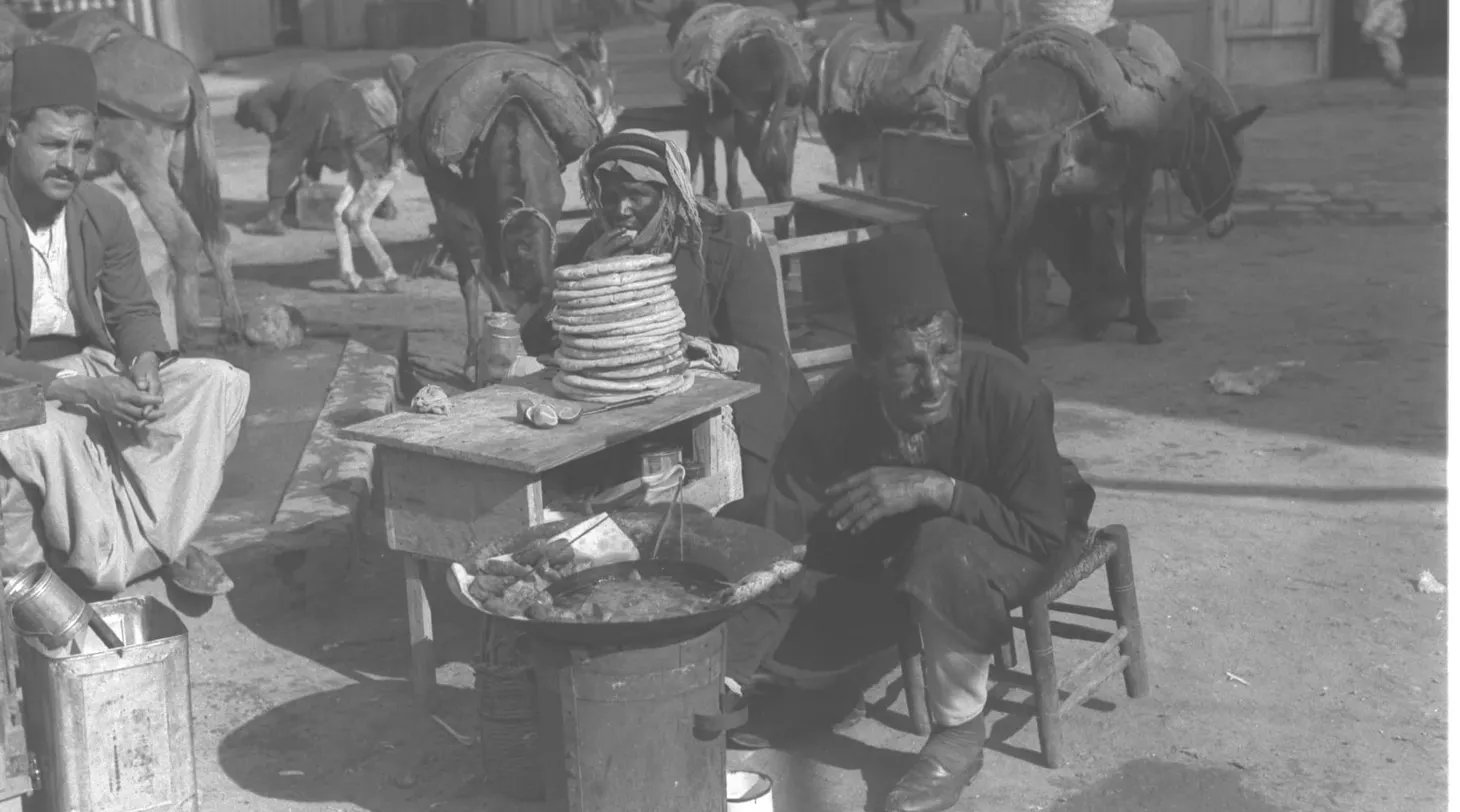
“Identity is Always Complex”: Teaching the Shared Histories of Israelis and Palestinians
Discussion of how to move beyond teaching the Israeli and Palestinian conflict and instead teach the shared histories of Palestinians and Israelis from a world-historical perspective
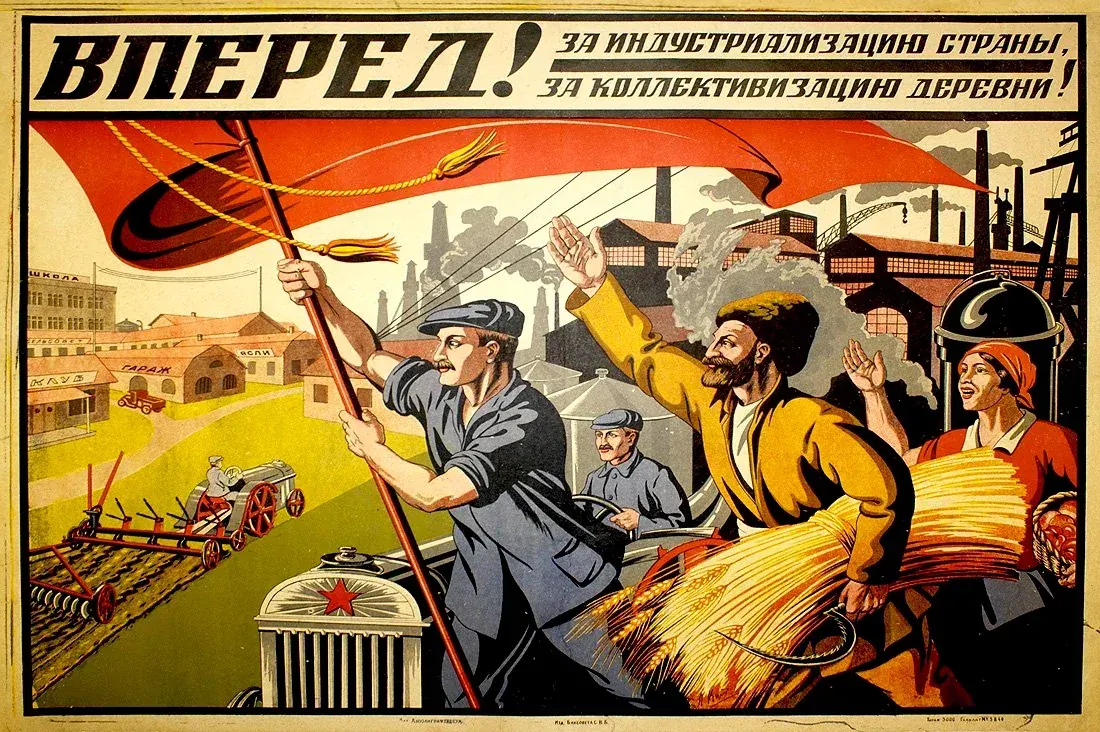
“The Breath of Soviet Russia”: Teaching Soviet Industrialization and Collectivization
Discussion of images to teach Soviet industrialization
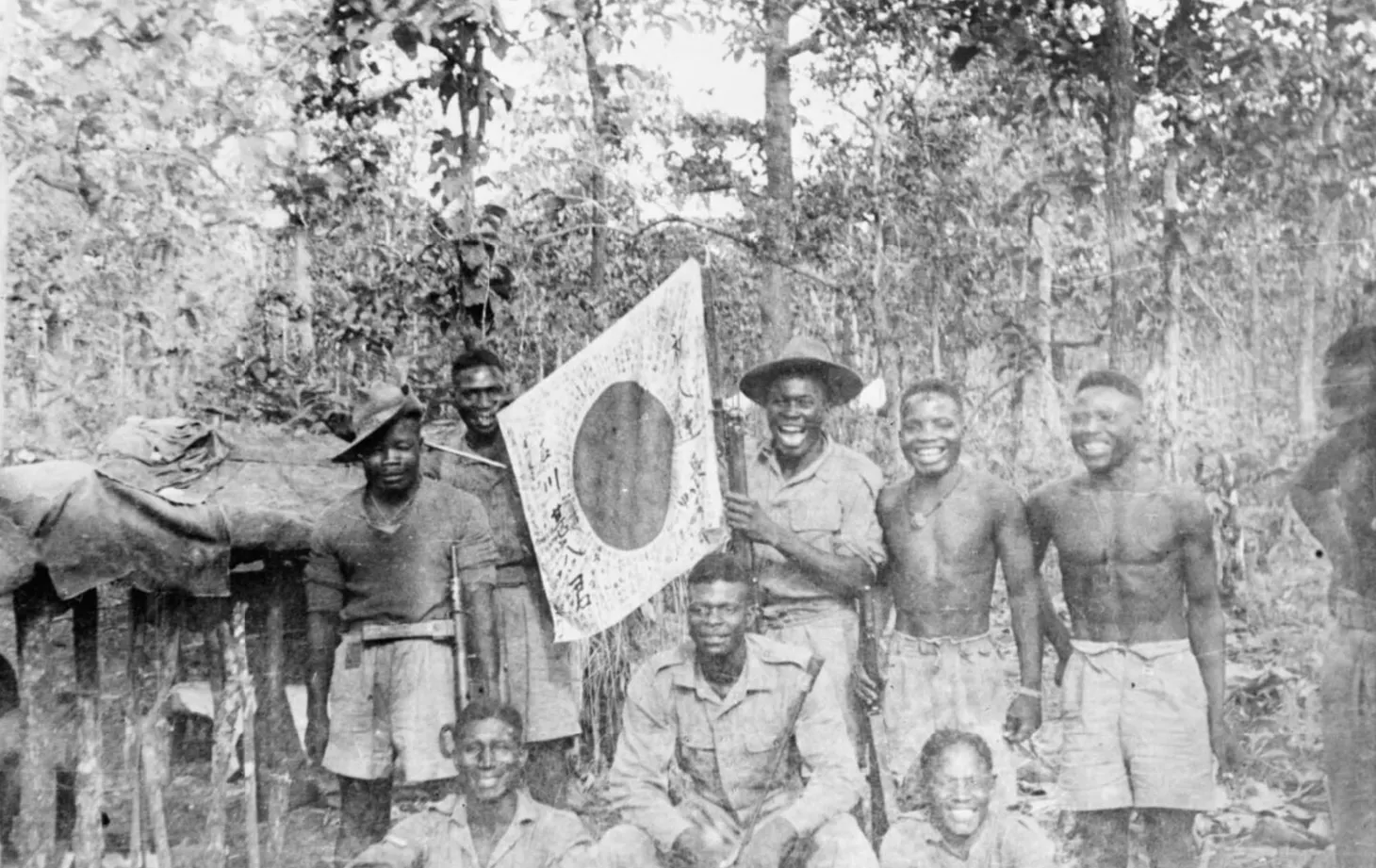
“Conscious of Myself as a Kenya African”: The Effect of the Second World War on Colonial African Soldiers
Discussion of how the Second World affected African soldiers fighting in Asia.
“On the Path of Liberation”: Chinese Anticolonialism in the 1920s and 1930s
Discussion of teaching anticolonialism in China in the 1920s and 1930s using posters
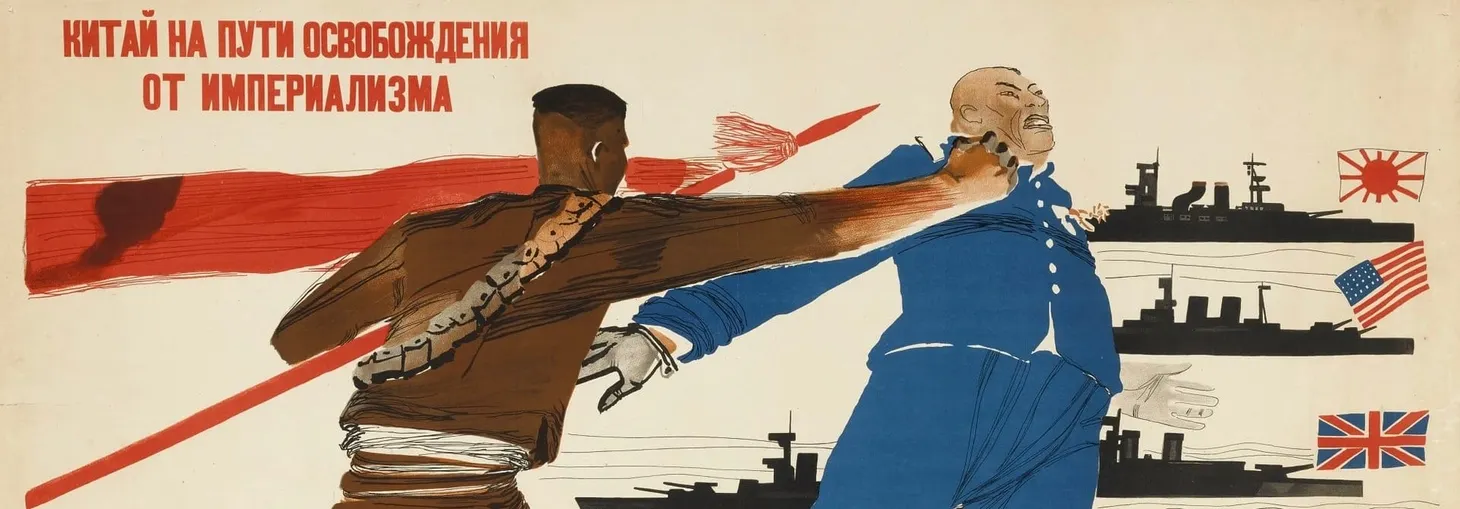
“Those Who Suffer Under Colonial Oppression Must Join Hands”: International Anticolonialism in the Interwar Years
Discussion of teaching anticolonialism in the 1920s and 1930s as a global movement
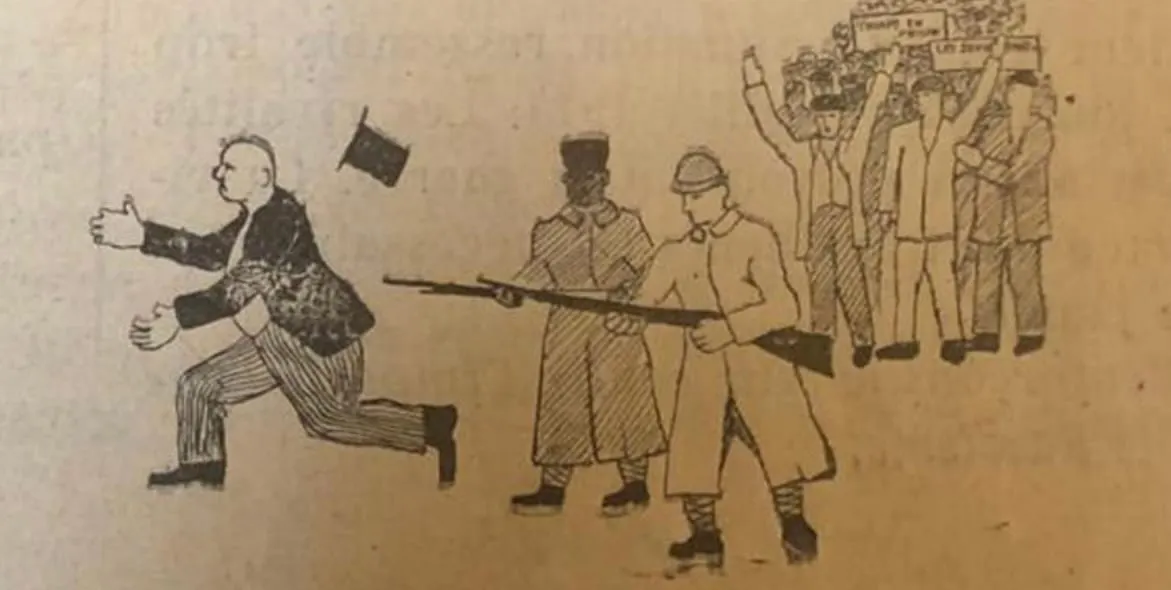
Discussing the Legacy of New Imperialism in the Classroom
Discussion of an end of unit activity on New Imperialism
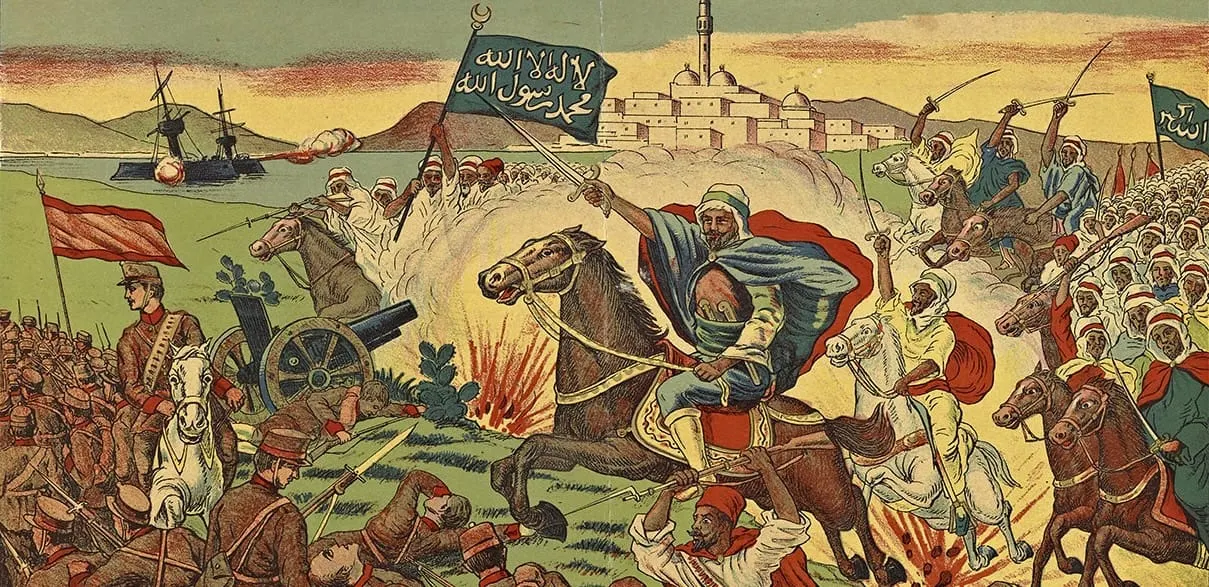
“A Free State with Full Sovereignty”: Amazigh (Berber) Anticolonialism and the Republic of the Rif in Morocco
Discussion of Amazigh (Berber) independent state as example of anticolonialism
“Indirect Ways of Expressing our Patriotism”: Centering Women in Teaching Anticolonialism in the 1920s and 1930s
Discussion of teaching women’s anticolonialism in the 1920s and 1930s
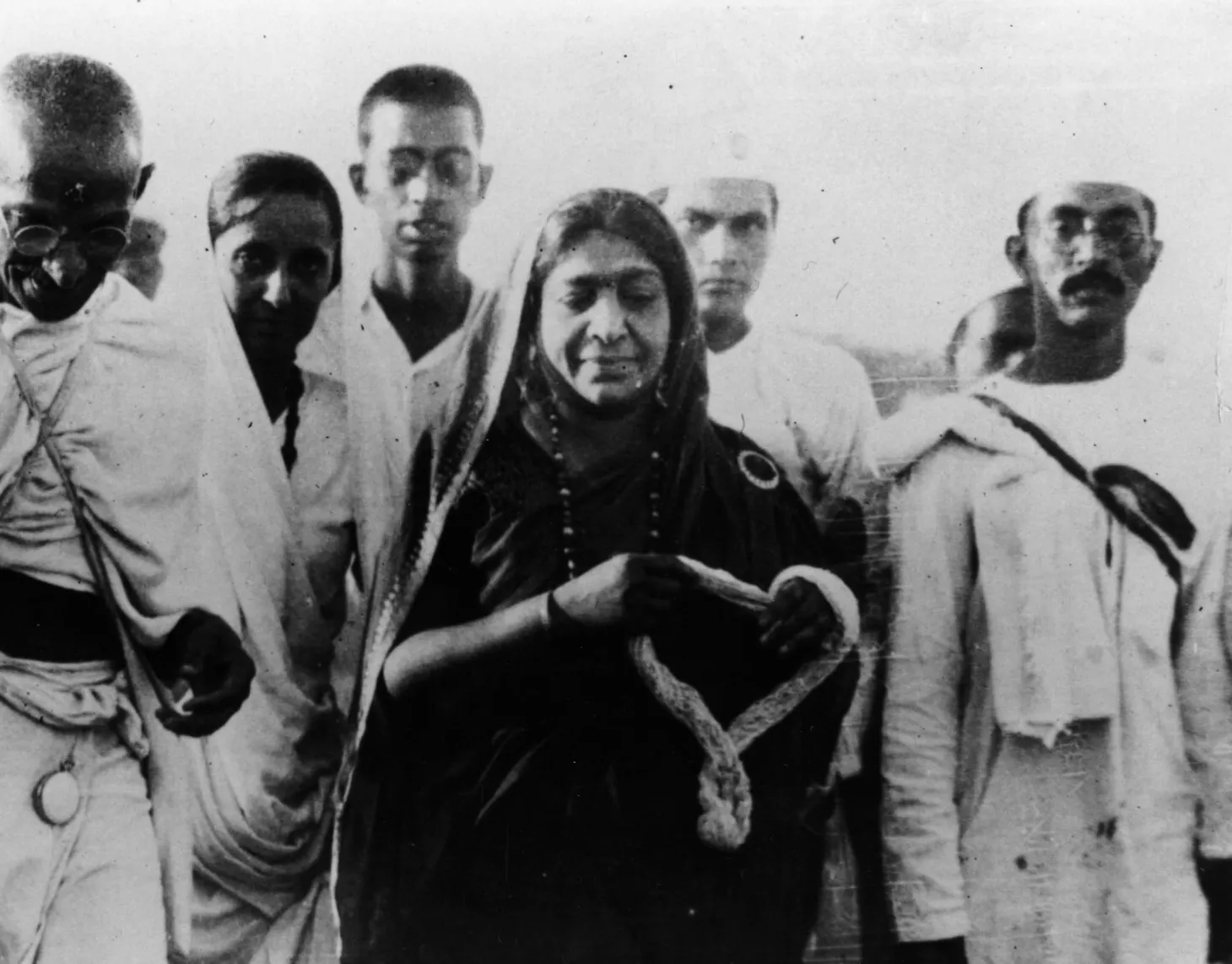
“Expose the Hollowness of Moral Pretensions”: Gandhi on Non-cooperation and Anticolonialism in 1920
Discussion of how Gandhi saw non-cooperation as a response to events of 1919 and 1920
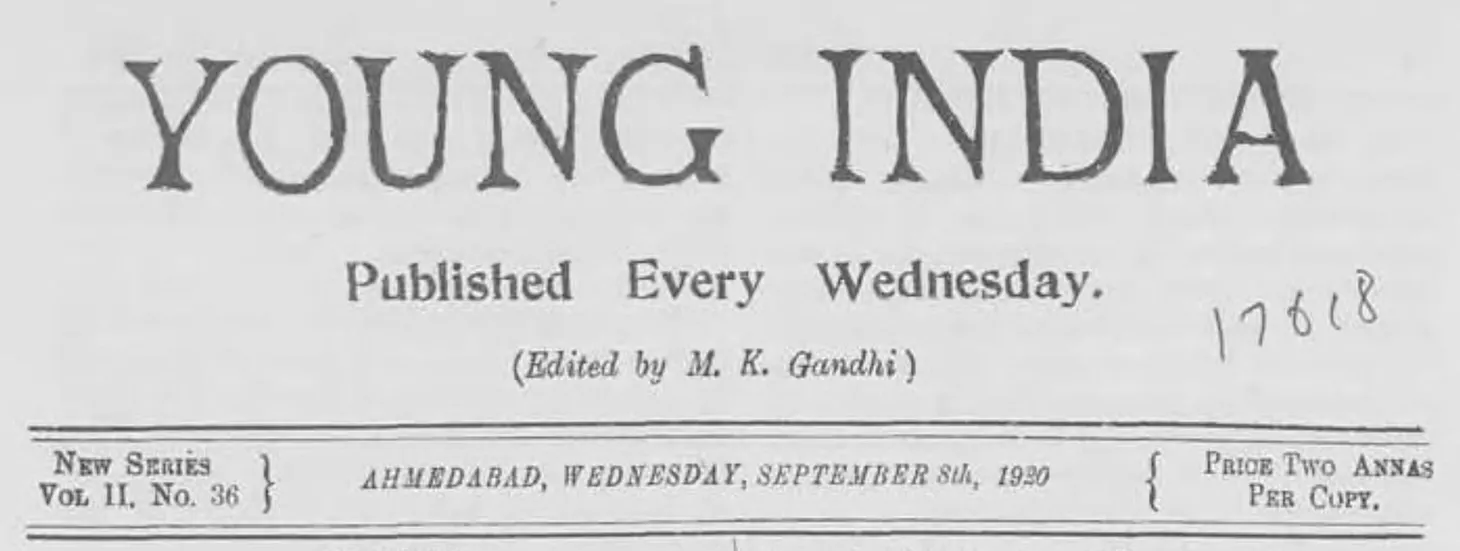
“The World Will Be Reconstructed”: Four Visions of Anticolonialism in 1920
Discussion of how to teach the various anticolonial strategies of 1920.