Europe
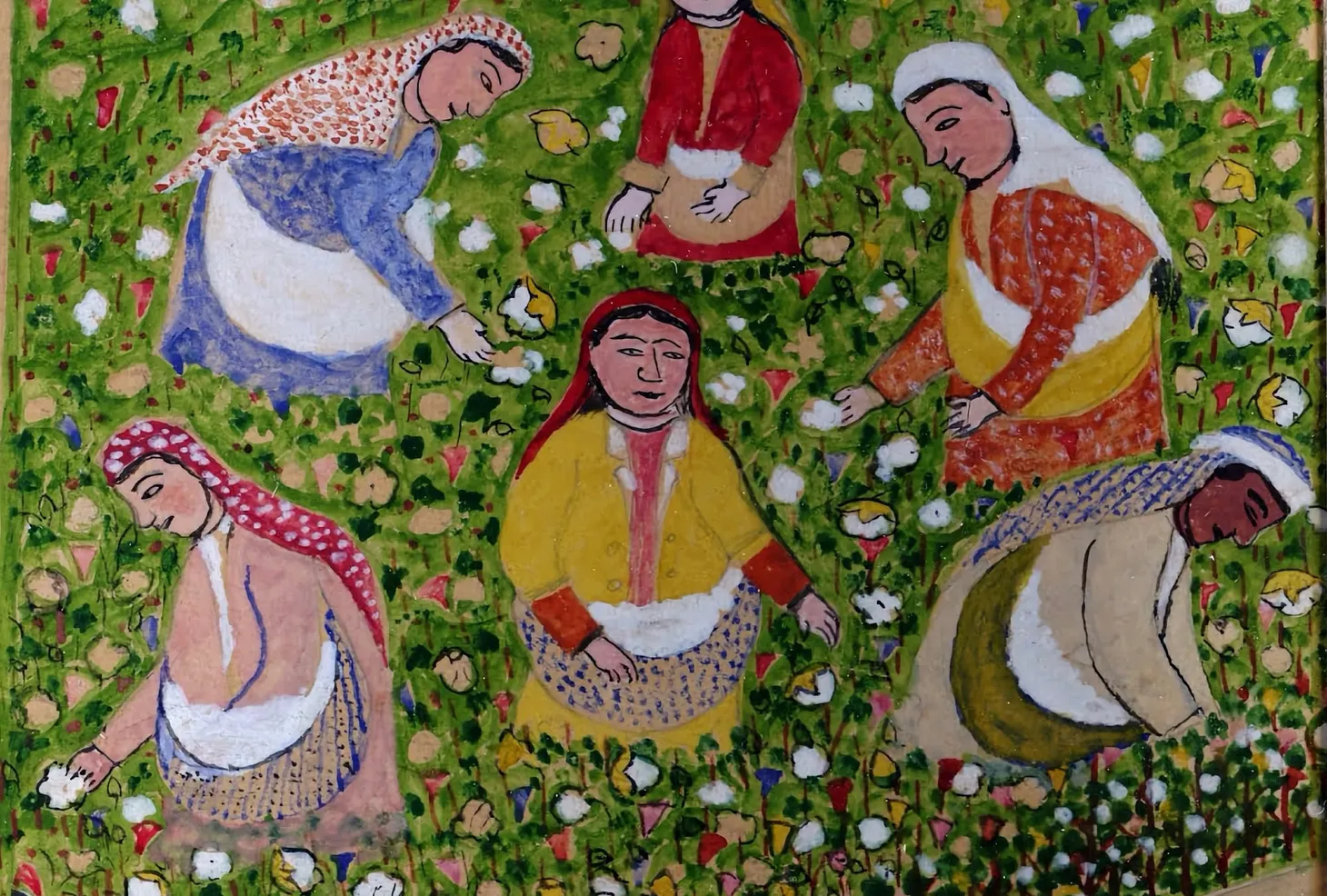
“Our Uzbek History is Tied Up with Cotton”: Cotton in Late Imperial Russian and Soviet Central Asia
Teaching Russian and Soviet Colonialism
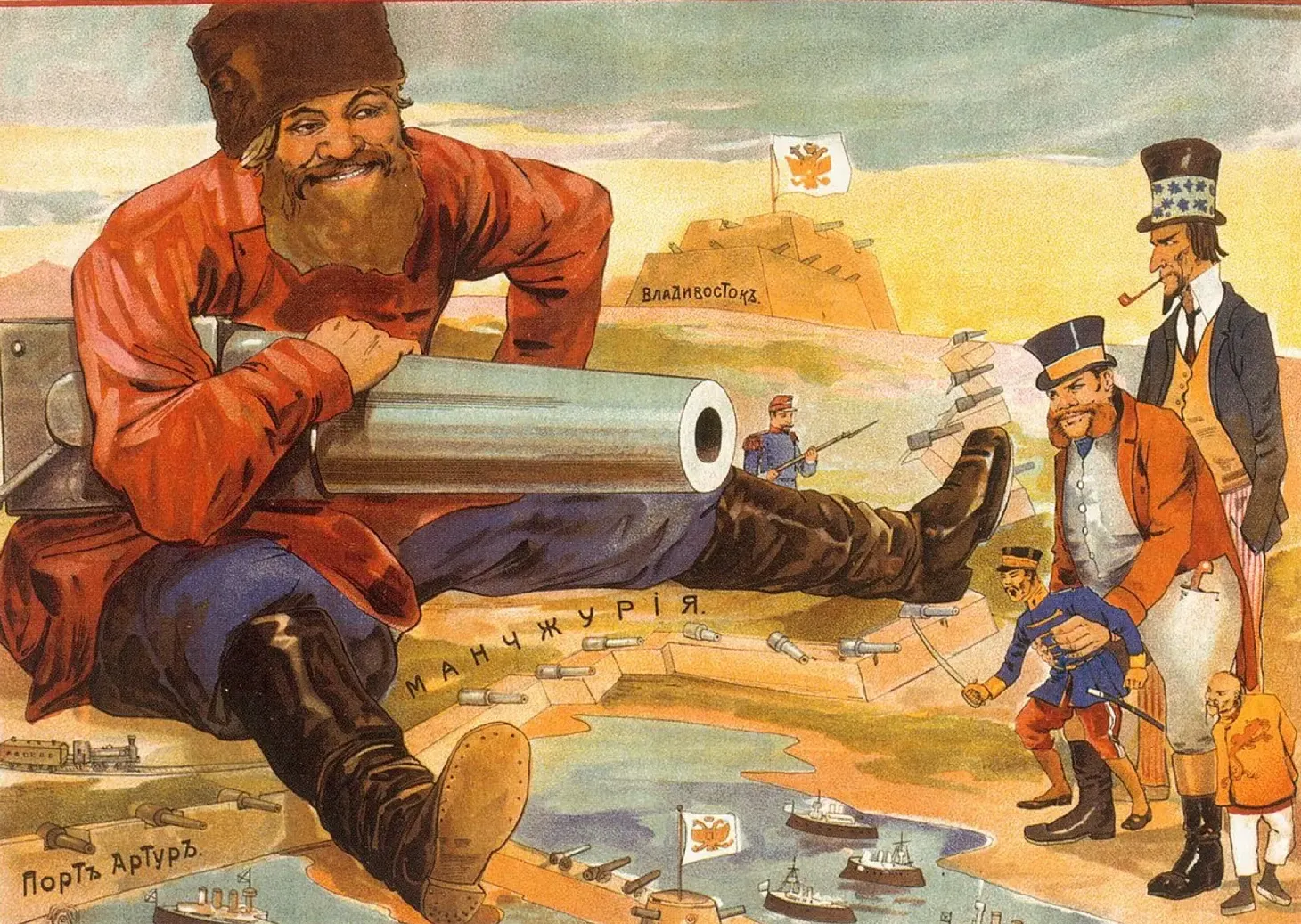
“Leading Russia Nearer and Nearer to Utter Ruin”: Teaching the Russo-Japanese War from a Global Perspective
Reframing how we teach the Russo-Japanese War
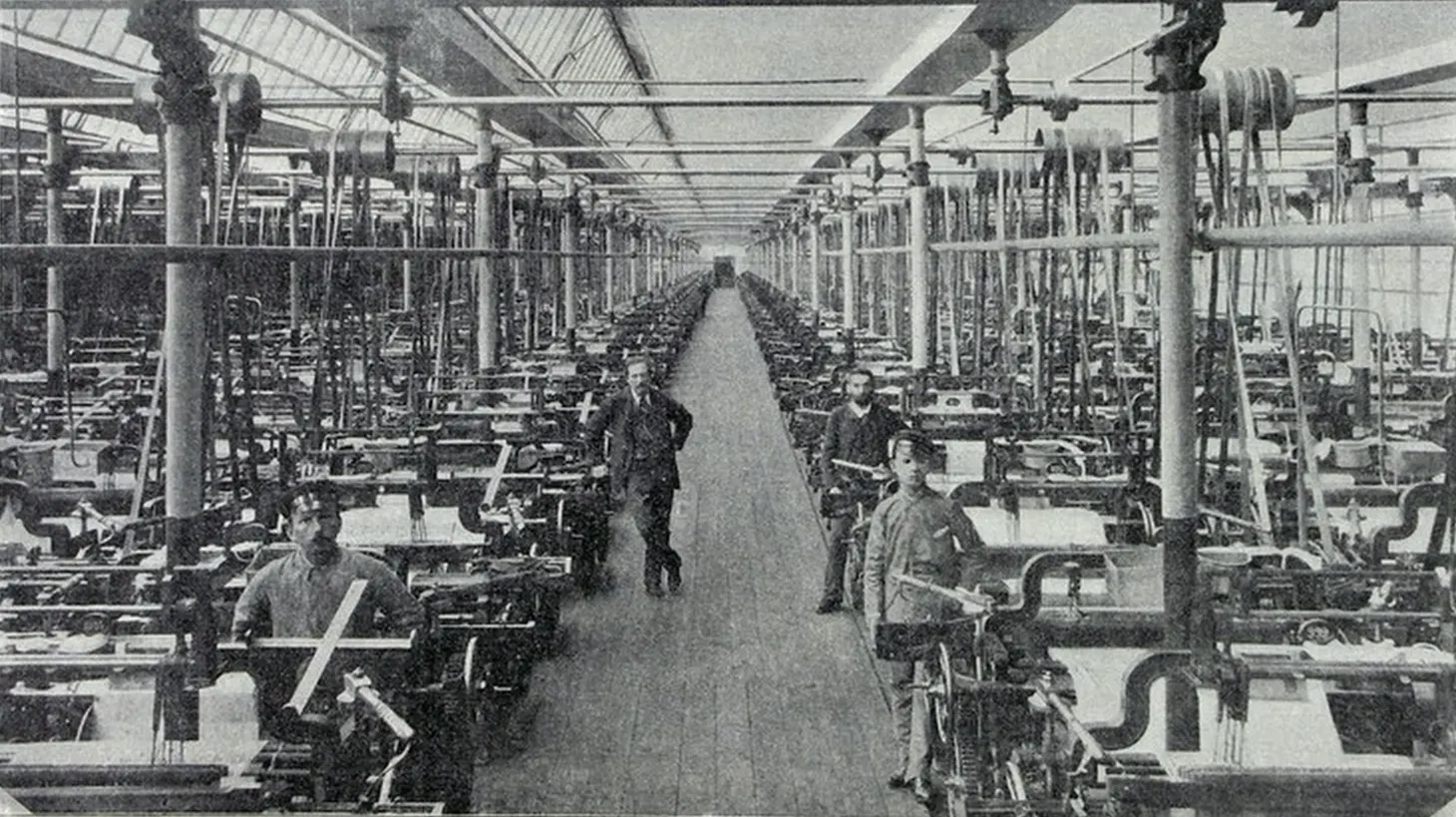
“A Growing Persistence among Workers in the Economic Struggle”: Two Competing Visions of Late Imperial Russian Industrialization
Two approaches to teaching Russian industrialization
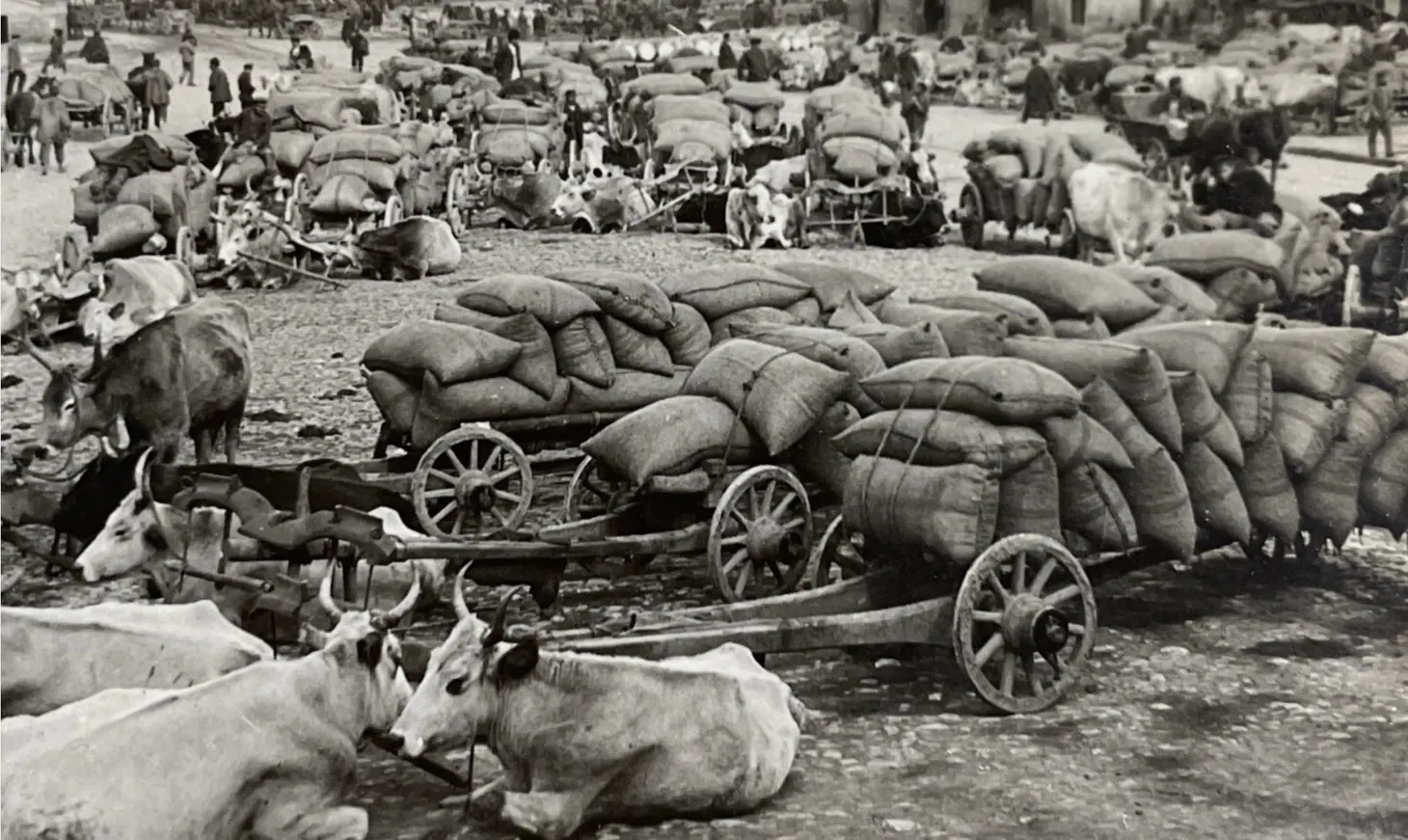
“On Arrival at the Market with their Grain”: Grain and Mass Production in Late Imperial Russia
Rethinking how we teach late imperial Russia’s economic changes
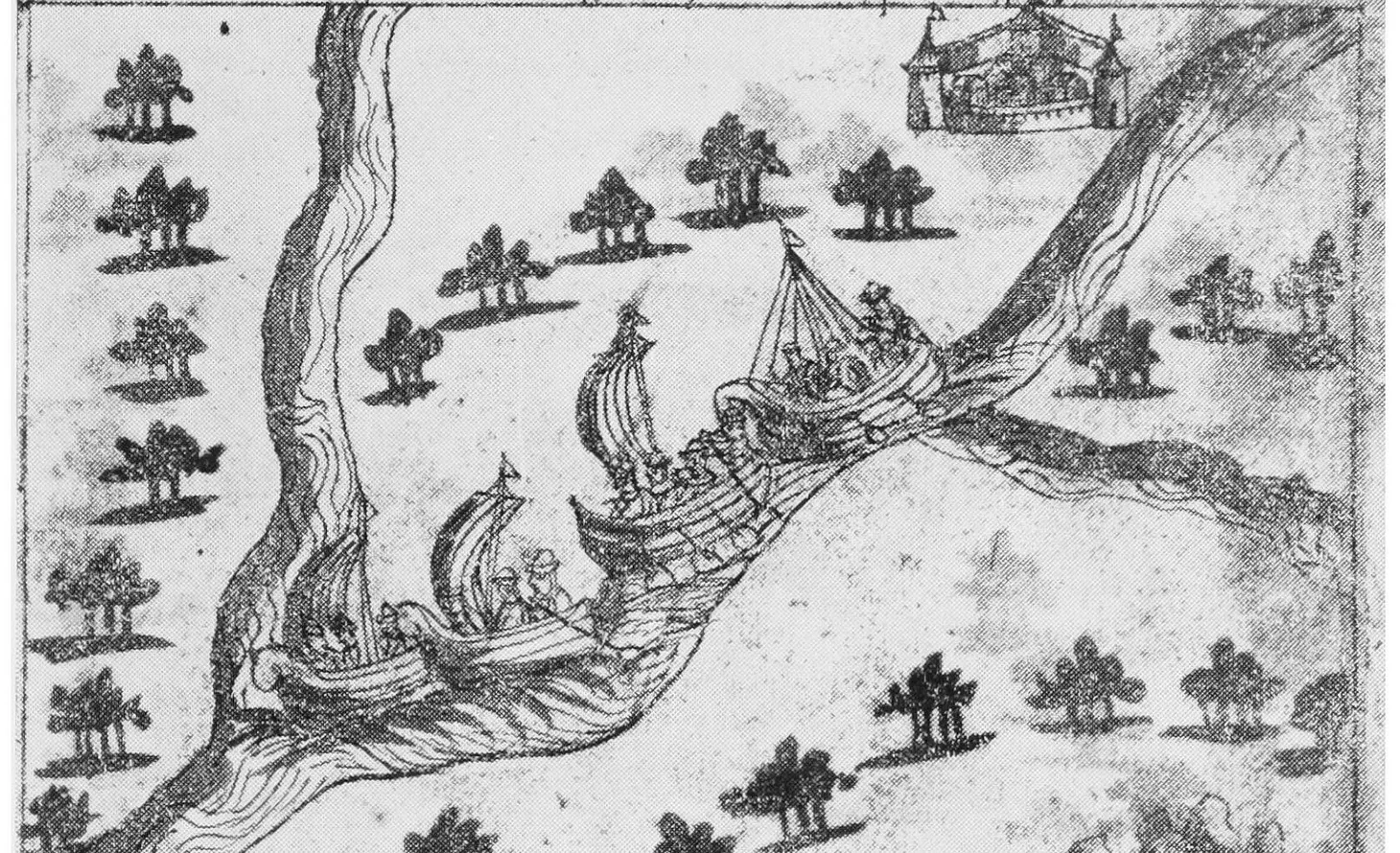
“Death Came Suddenly to the Brave Troops and Valiant Cossacks”: Indigenous Resistance to Russian Expansion in Siberia
The Russian “conquest” of Siberia regularly encountered Siberian resistance
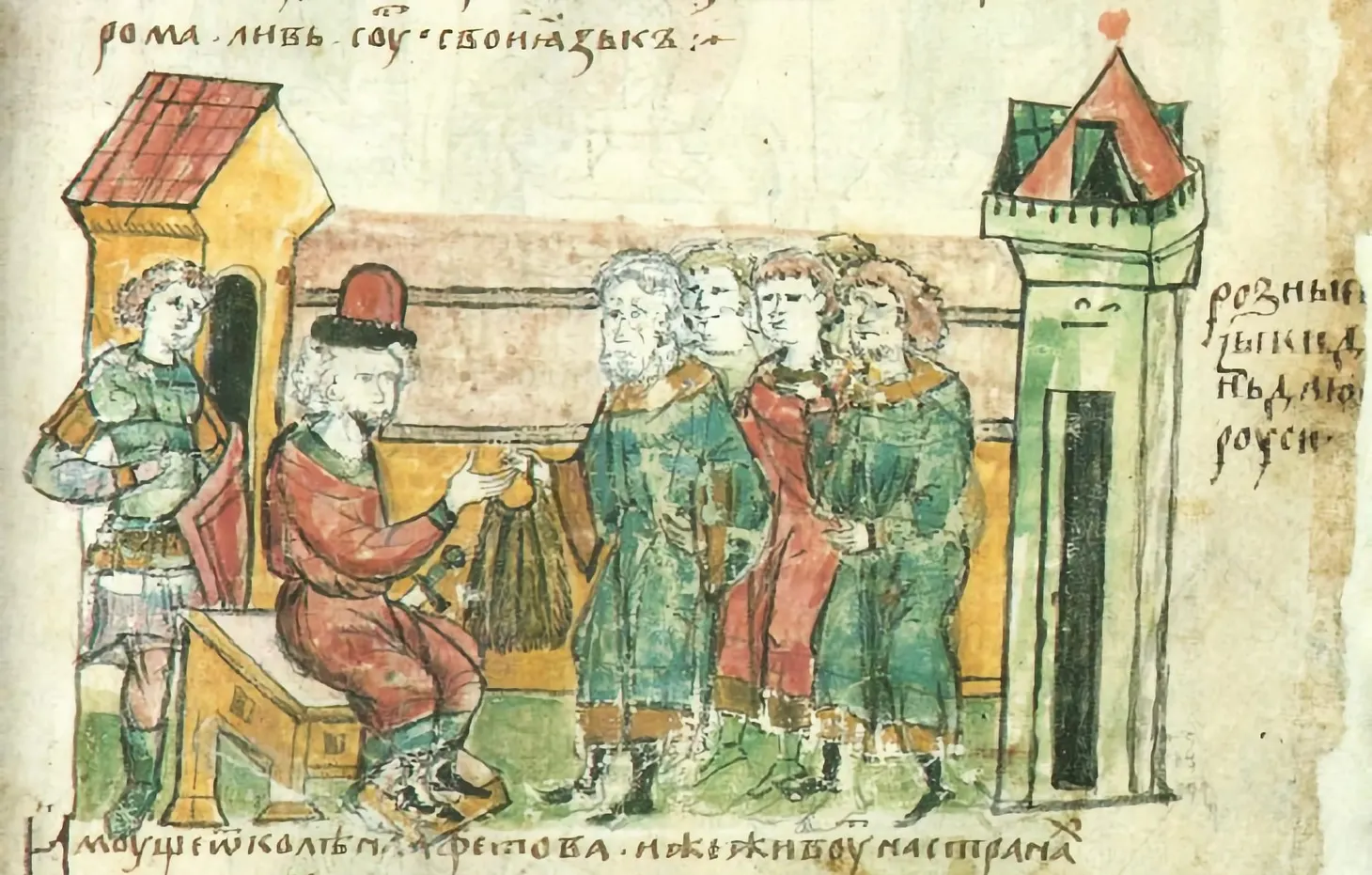
“Sables, Ermines, and Squirrel Skins”: Teaching the Fur Trade and Russia in World History
Teaching Russian history and the fur trade
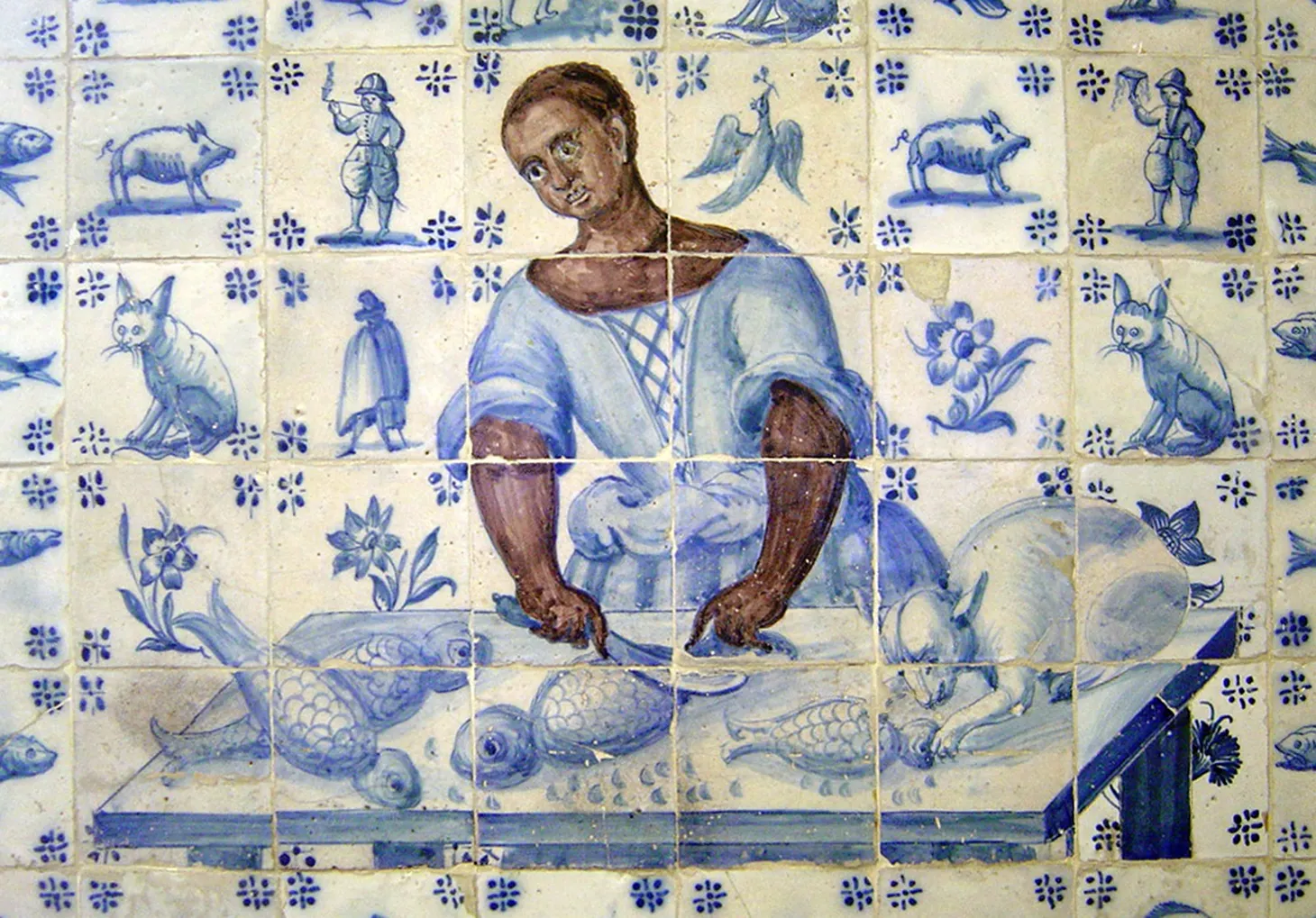
Narrating the Global History of Lisbon
Lisbon is more than a European city; it’s also an African and Asian city
“Hunger Was the Word I Heard Most”: Stalin’s First Five-Year Plan and Its Consequences
Discussion of teaching the Holodomor using primary sources
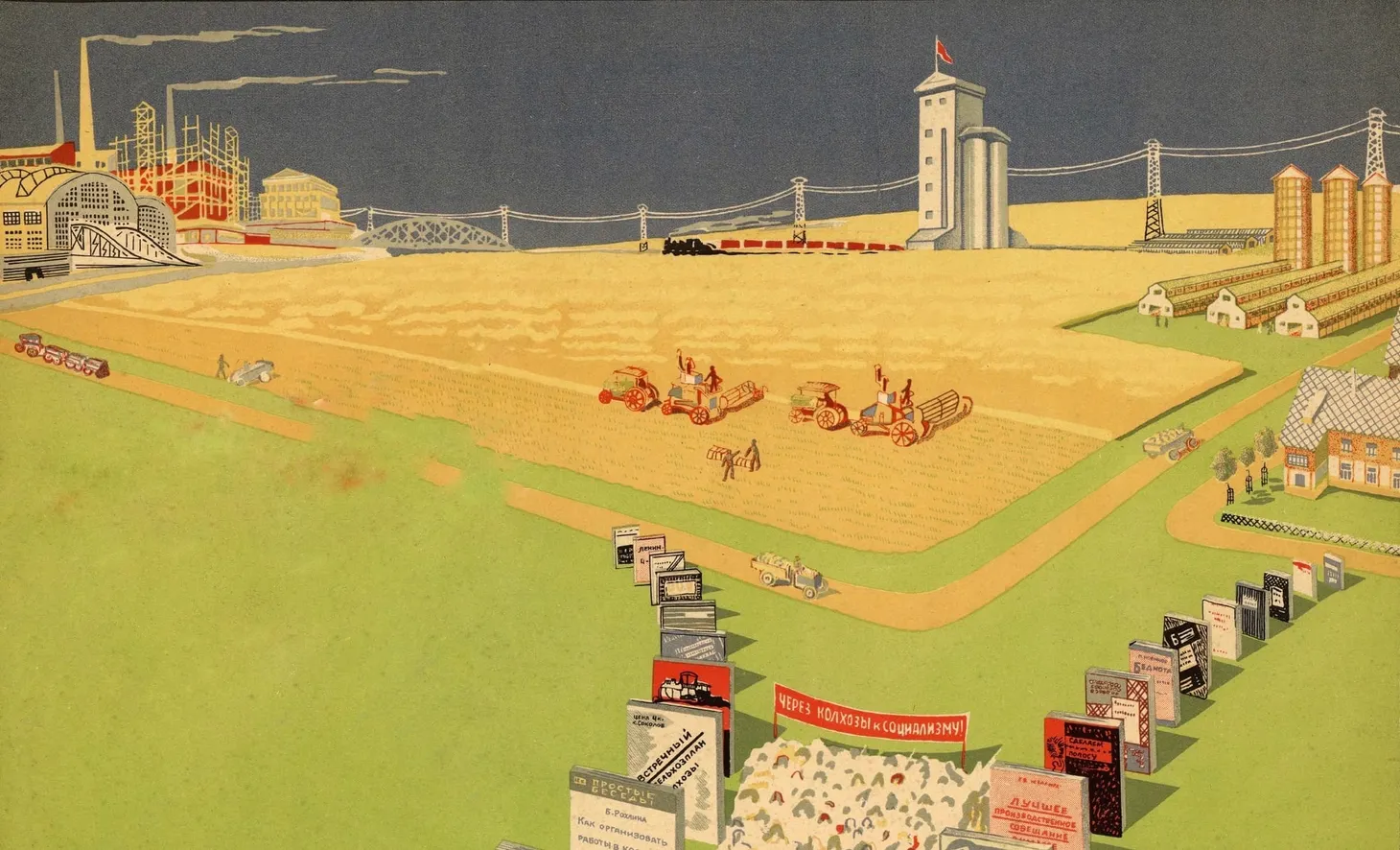
The Changing Role of Government Involvement in the Economy in the 1930s
Teaching how states worldwide took a more active approach to directing economic development in the 1930s
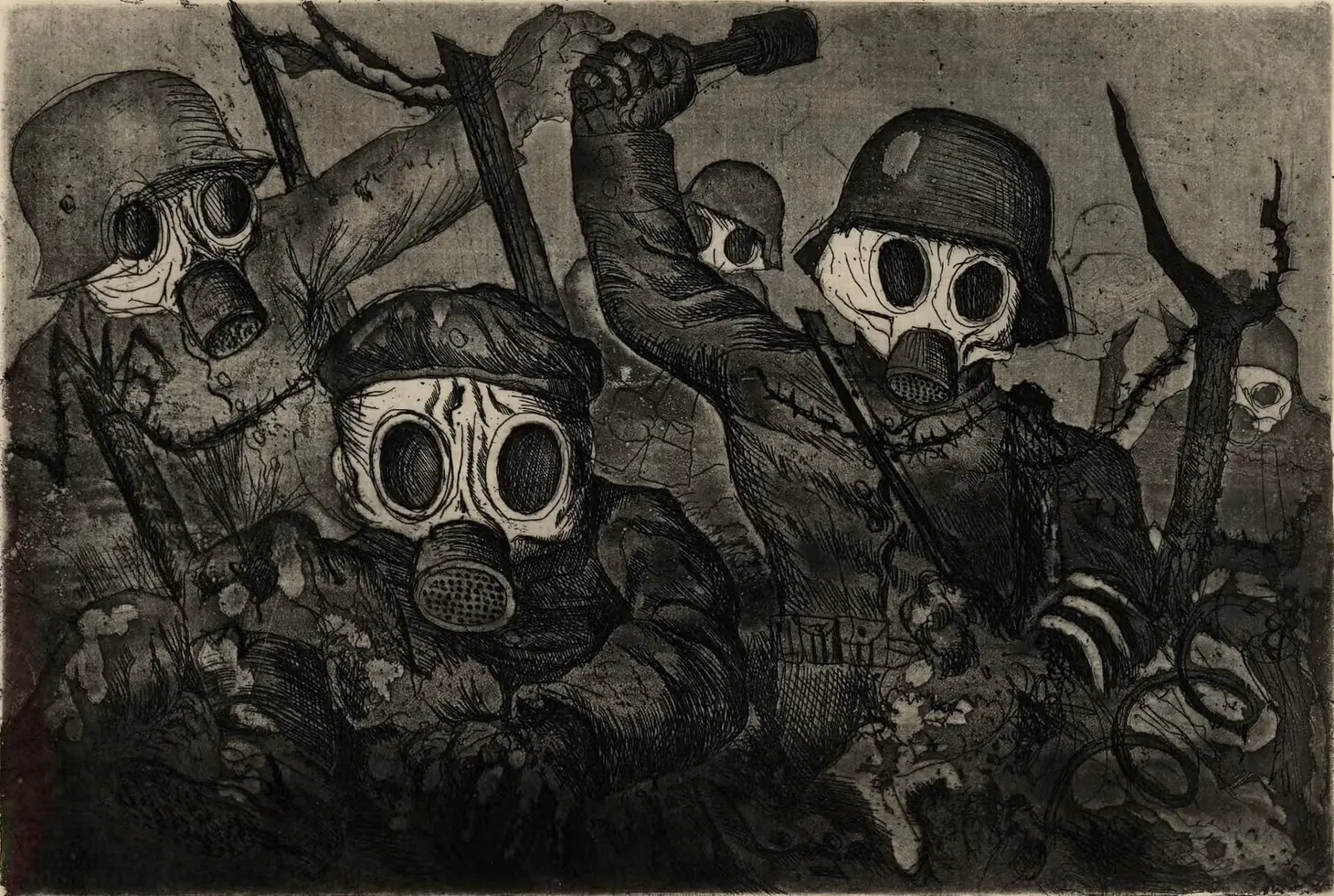
“The Deadliest Instrument of Warfare Yet Devised”: Teaching the Consequences of New Technology in the First World War
Discussion of primary sources for teaching the effects of poisonous gas in the First World War