Skip to content

“The Total Liberation of the African Continent”: Kwame Nkrumah’s Independence Speech and Decolonization

Discussion of Kwame Nkrumah’s independence speech as a tool to teach decolonization

Bram Hubbell
Bram Hubbell
4 min read
“The Total Liberation of the African Continent”: Kwame Nkrumah’s Independence Speech and Decolonization
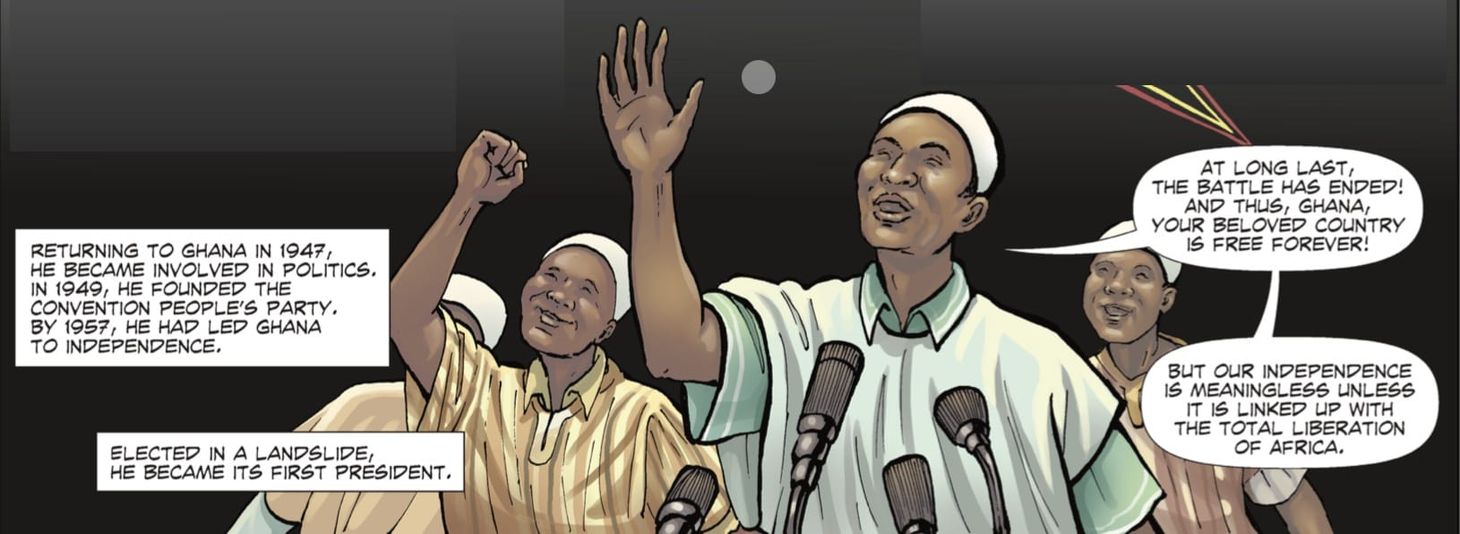
Panel from the OER graphic history of Kwame Knrumah. He’s delivering the independence speech.

In this week’s post, I discussed how 1955 to 1965 marked a high point for decolonization as the number of nations, especially in Africa, that gained their independence increased significantly. One of the most powerful ways to help students understand the significance of this change is by having them focus on Ghana and Kwame Nkrumah. Ghana was the first Black country in Africa south of the Sahara Desert to gain independence.

The Source


Related Posts

Members Public

“A Situation of Complete Inertia and a Widespread Apathy”: Teaching Everyday Resistance to French Imperialism in Senegal in the 1920s and 1930s

What were the weapons of the weak in French Senegal?

“A Situation of Complete Inertia and a Widespread Apathy”: Teaching Everyday Resistance to French Imperialism in Senegal in the 1920s and 1930s
Members Public

“Hunger Was the Word I Heard Most”: Stalin’s First Five-Year Plan and Its Consequences

Discussion of teaching the Holodomor using primary sources

“Hunger Was the Word I Heard Most”: Stalin’s First Five-Year Plan and Its Consequences
Members Public

The Changing Role of Government Involvement in the Economy in the 1930s

Teaching how states worldwide took a more active approach to directing economic development in the 1930s

The Changing Role of Government Involvement in the Economy in the 1930s